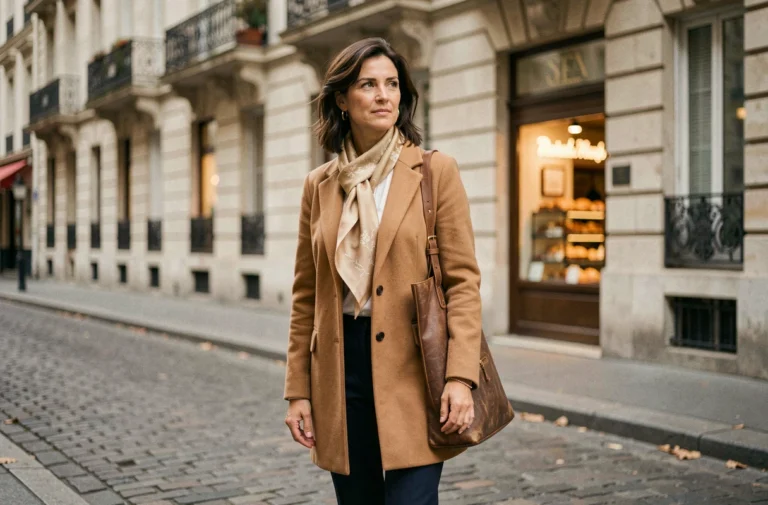
Opening a shopping app and finding a selection of pieces that perfectly match one’s body shape, usual colors, and local weather: this scenario, still marginal two years ago, is becoming the starting point for most online fashion purchases. Trends no longer only emerge from the runways. They are also formed in recommendation algorithms, European regulatory constraints, and material choices dictated by traceability.
Algorithmic curation and fashion trends: when AI replaces the stylist
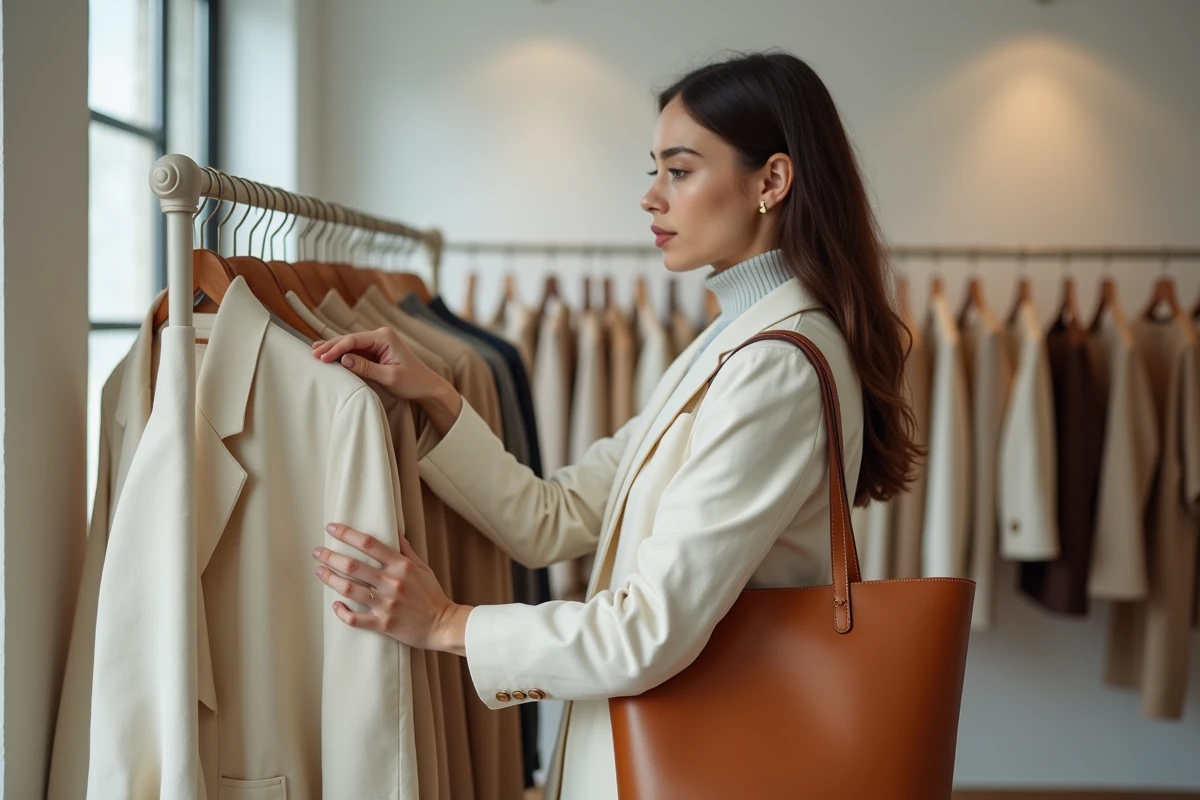
It often starts with a very concrete case: looking for an oversized blazer for spring, receiving three proposals with different cuts, colors, and accessory combinations. These suggestions no longer come from an artistic director. They are generated by vision and language models that cross-reference purchase history, declared body shape, and real-time trend data.
Platforms like Zalando or Farfetch now integrate virtual try-on features and AI-driven “digital styling.” According to a 2024 report from McKinsey & Company on fashion, a significant proportion of major European brands are testing these tools to personalize suggestions and improve conversion rates.
The result for users: the proposed looks converge towards silhouettes more aligned with individual tastes, accelerating the spread of certain pieces (a flowy linen pant, a collarless jacket in technical cotton) at the expense of others. We explore fashion on Veridictus to spot these emerging trends before they saturate the feeds.
Feedback varies on the actual effectiveness of these recommendations, with some users finding the suggestions too cautious, based on past purchases rather than a real stylistic risk.
Digital product passport for textiles: what it changes for choosing clothes
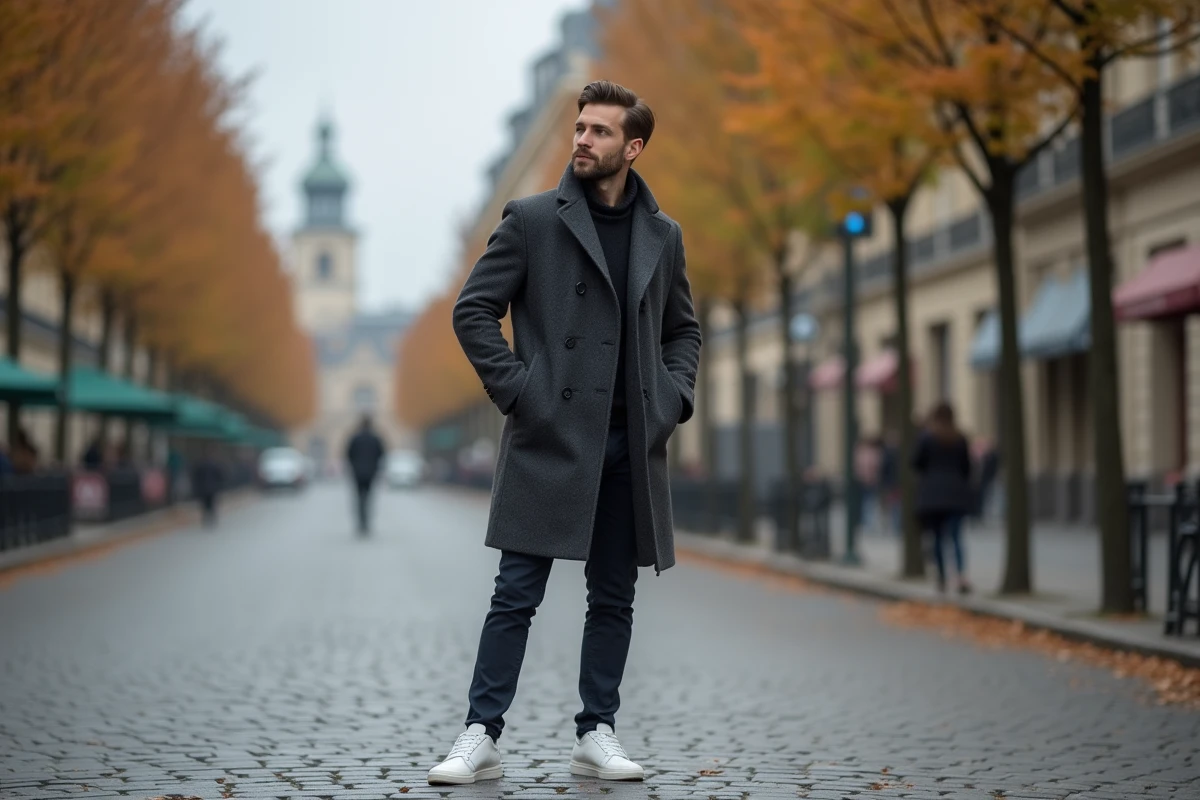
In 2024, the European Union adopted new measures as part of its Strategy for Sustainable and Circular Textiles. The most concrete measure: the gradual imposition of a digital passport for each garment. This passport provides information on the exact composition, repairability, and environmental footprint of the product.
For us, on a daily basis, this translates to a QR code or an NFC chip on the label. We scan it and obtain the complete production chain. The direct consequence on trends: brands that relied on opaque materials (undetailed synthetic blends) must rethink their collections.
What the product passport makes visible
- The geographical origin of each fiber used in the garment, allowing verification of often vague “made in” claims
- A repairability score that encourages brands to design pieces with accessible seams and available spare parts
- The estimated carbon footprint of the life cycle, from fiber cultivation to final delivery
Spring-summer collections already reflect this shift. We see more pieces made from single materials (linen, organic cotton, merino wool) because they are easier to document and recycle. Complex blends of three fibers or more are declining in new collections.
Colors and volumes for the spring-summer season: what technical constraints impose on style
We often hear about “trending colors” as if they fall from the sky. The on-the-ground reality is more prosaic. The shades available in OEKO-TEX or GOTS certified dyes have expanded in recent years, but some hues remain difficult to produce without resorting to heavy chemical processes.
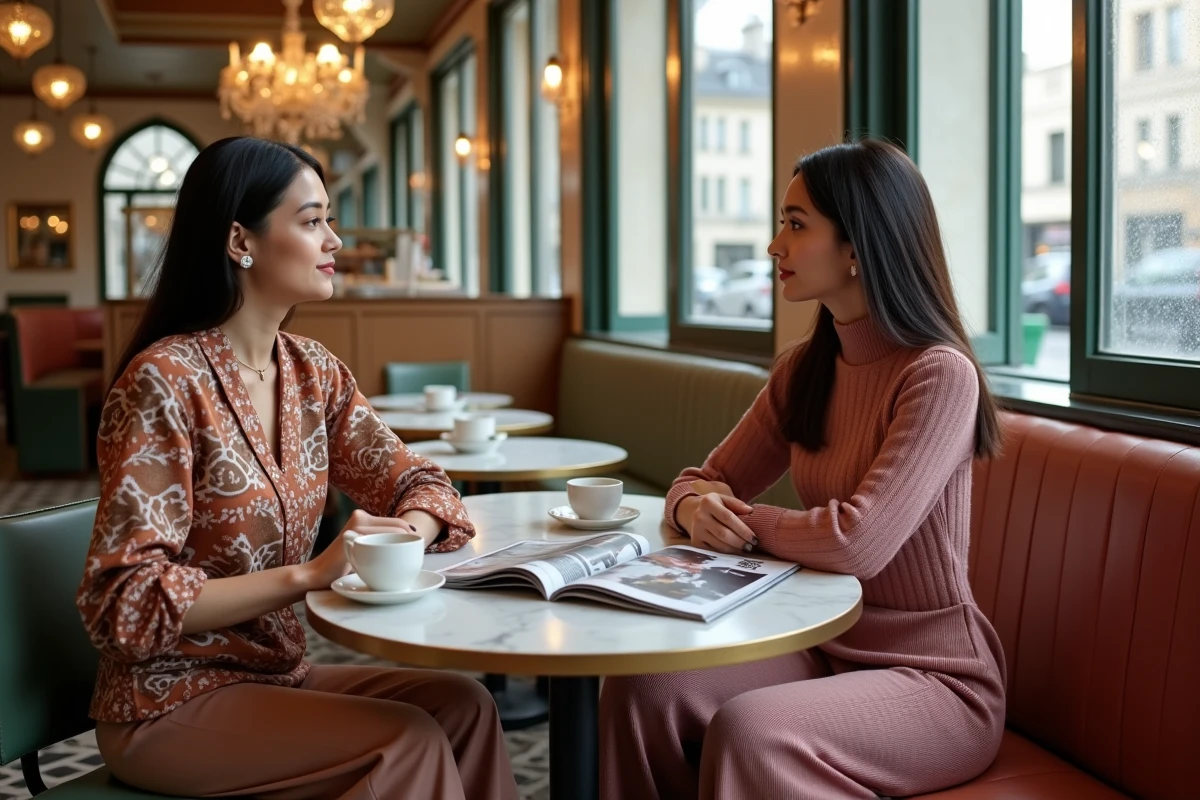
Earthy tones (terracotta, faded khaki, sandy beige) dominate because they require fewer dyeing steps. Deep blues and bright reds, which are more demanding in fixatives, mainly appear in luxury brands that absorb the extra cost.
Volumes: technical comfort dictates the cut
Garments incorporating recycled stretch fibers allow for looser cuts without sacrificing fit. This logic is seen in wide-leg pants with elastic waists, oversized shirts with dropped shoulders, and slightly flared midi dresses.
Ample volume is not just an aesthetic choice; it is also a production constraint. Loose patterns better tolerate size variations and reduce returns, an economic argument that brands do not always communicate.
Capsule wardrobe and clothing rental: moving beyond impulse buying
The concept of a capsule wardrobe (a limited number of versatile pieces) is not new. What is changing is its articulation with rental services. You rent a seasonal jacket for two months, return it, and take another one.
This model works particularly well for event pieces and high-value accessories.
- Materials resistant to repeated washing (thick cotton, high-density recycled polyester) are favored by rental platforms, which influences production
- Looks built around three to five neutral pieces complemented by a strong accessory (structured bag, statement jewelry) are becoming the standard format for these services
- Brands are now designing certain pieces specifically for rental, with reinforced finishes and integrated traceability labels
This shift modifies the very notion of trend. A “trending” piece is no longer necessarily one that you buy, but one that you wear for a season before returning it.
Collections adapt with styles distinctive enough to justify rental but simple enough to remain wearable by various profiles. The fashion of the upcoming seasons will likely play out on this tension between algorithmic personalization and regulatory standardization.
The clothes we will wear this summer have been designed as much by creatives as by textile engineers and lawyers specializing in European compliance.