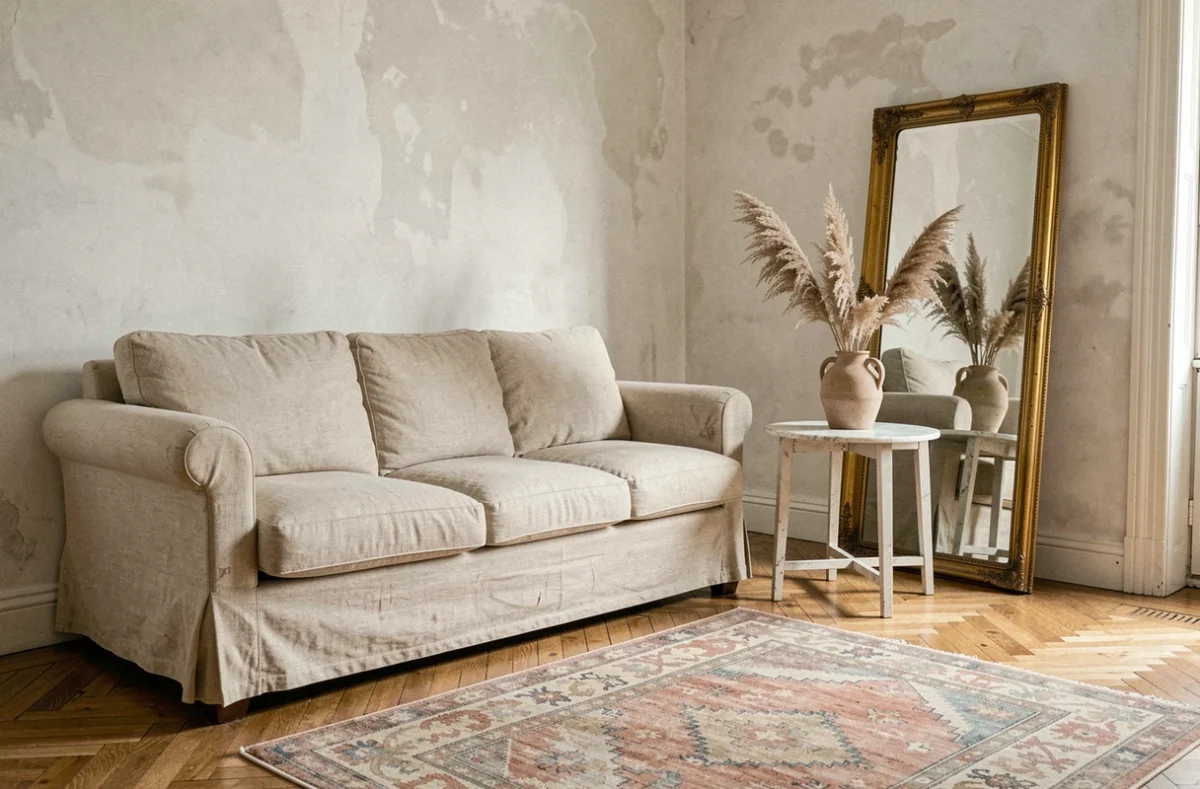
When redecorating a living room or rethinking a space, the temptation for a total Scandinavian look or Japanese minimalism is strong. The problem is that these styles end up looking similar from one interior to another. The French Touch in decoration offers something different: a balance between artisanal heritage, crafted materials, and a form of casualness that prevents the room from appearing static.
Repairability and Disassembly: The New Criterion for French Touch Furniture
The French Touch is often discussed from an aesthetic perspective, with moldings, velvet, and curved legs. However, the subject has evolved on the ground. The sectoral CSR reference framework 2025-2030 from Ameublement français encourages manufacturers to design furniture that is easier to repair and disassemble. A chair whose seat can be replaced or whose structure can be tightened without glue remains beautiful longer, and this is precisely what distinguishes a piece designed for longevity from a disposable piece dressed in decorative codes.
In practical terms, when choosing a sofa or coffee table marked as French-made, we now check if the legs can be unscrewed, if the fabric can be removed, and if the cushions are sold separately. A repairable piece of furniture extends the elegance of the living room for several decades. It is a selection criterion as concrete as color or seat depth.
To explore this approach where French craftsmanship meets refined contemporary design, the Maisonea style for your interior illustrates well how to combine aesthetics with manufacturing demands.
Composition of Upholstery Textiles: What the Law Changes for Your Curtains and Rugs
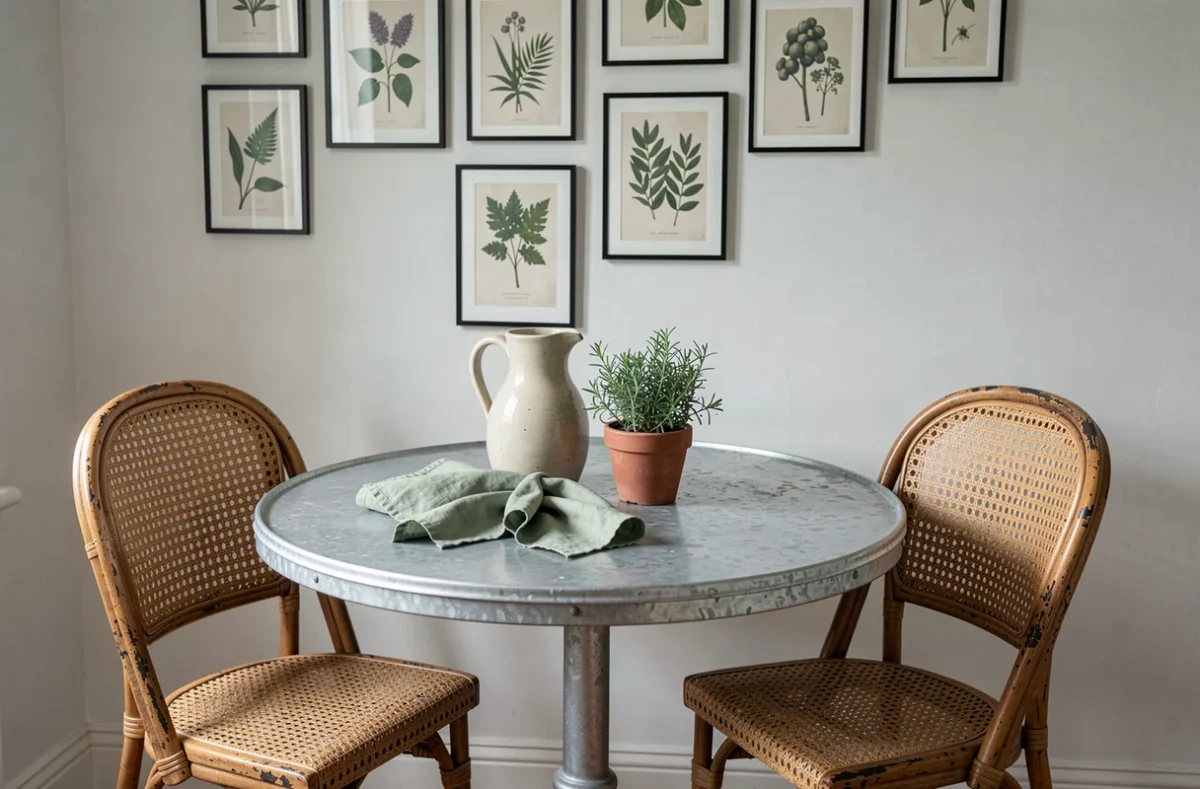
We choose a washed linen curtain for its drape, a rug for its density to the touch. Rarely for its chemical composition. However, French law n° 2025-188 of February 27, 2025, provides for an extension of the ban on PFAS (per- and polyfluoroalkyl substances) to upholstery textiles starting January 1, 2030. Curtains, rugs, and coverings will need to be selected with more attention to their composition.
For a French Touch decoration project, this means prioritizing traceable materials right now. Linen, hemp, untreated wool with no fluorinated water repellents: these fibers correspond to both the French aesthetic vocabulary and future regulatory constraints.
Here are the points to check before buying upholstery textiles:
- Does the technical sheet mention a stain-resistant or water-repellent treatment? If so, ask if it contains PFAS
- Is the fabric certified Oeko-Tex or GOTS, two labels that exclude most of these substances
- For rugs, check that the backing (the lower layer) is not coated with a fluorinated finish, often found on low-end models
Feedback varies on the durability of untreated textiles, but well-maintained raw linen ages with a patina that treated fabrics do not achieve.
Reuse and Vintage Furniture: Structuring a French Touch Interior Without Buying Everything New
The REP (extended producer responsibility) system for furniture now structures reuse as a full-fledged supply chain, not just as a militant gesture. Reuse is becoming a structured sourcing pathway for creating a coherent interior.
On the ground, a vintage 1950s dresser is mixed with a contemporary brushed brass pendant light. A common mistake is to treat the vintage piece as an isolated decorative item, placed in a corner. For the French Touch to work, the vintage furniture must serve a daily function: storage, seating, or work surface.
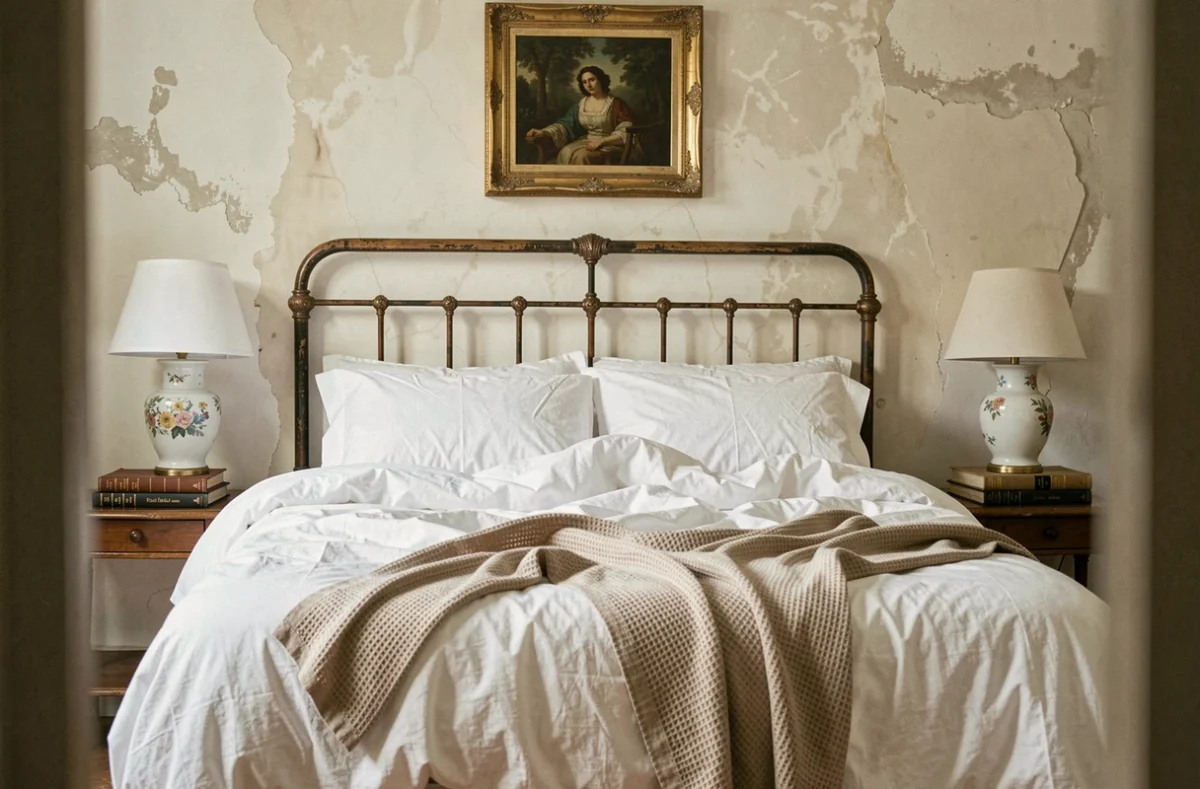
Here are some combinations that work in a living room or dining room:
- A low walnut buffet (1960s-1970s) under a contemporary fine-framed mirror, creating a focal point without overloading the wall
- Mixed bistro chairs around a new light oak table, the contrast of eras brings the typical casualness of French style
- A reupholstered bridge chair in current corduroy, which anchors the reading corner without falling into historical reconstruction
Color Palette and Materials: Concrete Choices That Avoid Pastiche
A French Touch interior is not limited to Parisian beige. The pitfall of pastiche begins when codes are stacked without hierarchy: moldings, herringbone parquet, light gray walls, golden pendant lights. The result resembles a television set.
The approach that holds over time starts from a dominant material choice for the room. Natural stone on the floor and lime-plastered walls in a kitchen. Dark solid wood (walnut, cherry) and ecru linen in a living room. The palette is built around this material, not around a trendy color.
For furniture, current ranges from French manufacturers offer matte finishes, tapered legs in black metal or turned wood, and fabrics with visible grain. It is texture that creates elegance, not color alone. A cream boucle chair placed on a gray stone floor produces more visual depth than an accent wall painted in a saturated hue.
The European ESPR regulation is also preparing for the arrival of digital passports for furniture, detailing composition and life cycle. Ultimately, choosing a French piece of furniture will also mean accessing a complete traceability sheet, from the wood used to the varnish applied. This transparency reinforces the logic of the French Touch: knowing exactly what you are installing in your home.
An interior that ages well is recognized by its materials and the quality of assembly of its furniture, not by its conformity to a current mood board. Betting on repairable pieces, textiles with known compositions, and reused furniture integrated into daily use is the most concrete version of the French Touch applied to decoration.