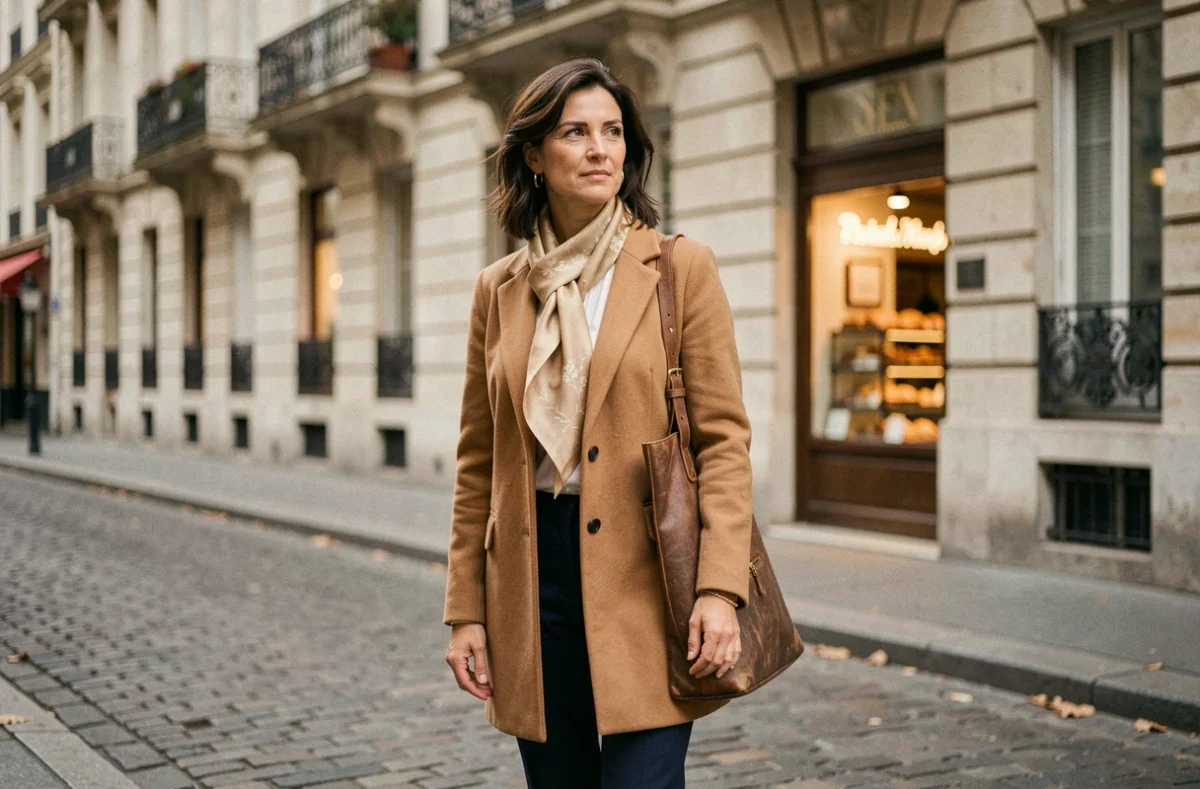
French elegance is based on a specific set of clothing codes, but also on rapidly evolving consumption choices. Since October 1, 2025, environmental labeling for textiles has become operational in France on a voluntary basis, changing the way wardrobe pieces can be evaluated and compared. Chic style is no longer limited to a polished silhouette: it now incorporates material traceability and garment durability.
Environmental labeling for textiles and elegance: what the 2025 decree changes
Decree No. 2025-957 and the order of September 6, 2025, established a calculation of the environmental cost of clothing sold in France. This calculation takes into account the complete life cycle of the piece, resource consumption, microfibers released during washing, and fabric durability.
For buyers seeking a sustainable chic style, this system makes comparisons between brands clearer. Environmental labeling limits brands’ control over their own communication, reducing the risk of greenwashing on labels.
Specifically, a dress made from natural materials produced in France does not display the same environmental cost as a similar piece produced under opaque conditions. French elegance, as it is built on alafrancaisetoujourschic.fr, benefits from integrating this framework when composing a coherent wardrobe.

Basics of a chic wardrobe: materials and quality over quantity
The French style is based on a limited number of well-chosen pieces. The logic of “less but better” is not just a slogan: it is a method for building a wardrobe.
Identifying the basics that transcend seasons
An elegant wardrobe revolves around a few categories of clothing whose cut and material justify the investment:
- A structured wool or cotton blazer that works equally well over jeans or a dress, and whose fit does not distort after several seasons of use.
- A pair of full-grain leather shoes, in a sober color (black, cognac), that ages better than a synthetic model and can be resoled easily.
- A trench coat or straight coat made from a sufficiently dense material to withstand wear, with visible finishes (stitching, lining, buttons) that testify to the quality of craftsmanship.
- Pieces in fine knit (cashmere, merino wool) whose weight ensures longevity and comfort when worn.
The quality of materials determines the longevity of an outfit far more than the brand displayed on the label. A fabric that pills after three washes cannot embody elegance, regardless of its purchase price.
Reading labels beyond composition
Mandatory labeling in France requires indicating the textile composition and the place of manufacture. Field reports diverge on the actual reliability of these mentions, but the regulatory framework is tightening. The Fraud Prevention Agency has sanctioned several fast-fashion brands for lack of environmental information.
Checking the composition and country of manufacture before purchasing a piece helps eliminate garments with low durability. A garment made predominantly of recycled polyester does not behave the same way as a garment made from organic cotton, in terms of comfort and aging.
Casual chic look: building an outfit without overloading
French casual chic is characterized by a balance between relaxation and structure. The outfit does not seek to impress through the accumulation of pieces or accessories.
The principle can be summed up in one rule: one strong piece per outfit, the rest in the background. A structured blazer worn over a plain t-shirt and raw jeans works because each element remains understated. Adding a printed scarf, a flashy belt, and multiple pieces of jewelry disrupts the balance.
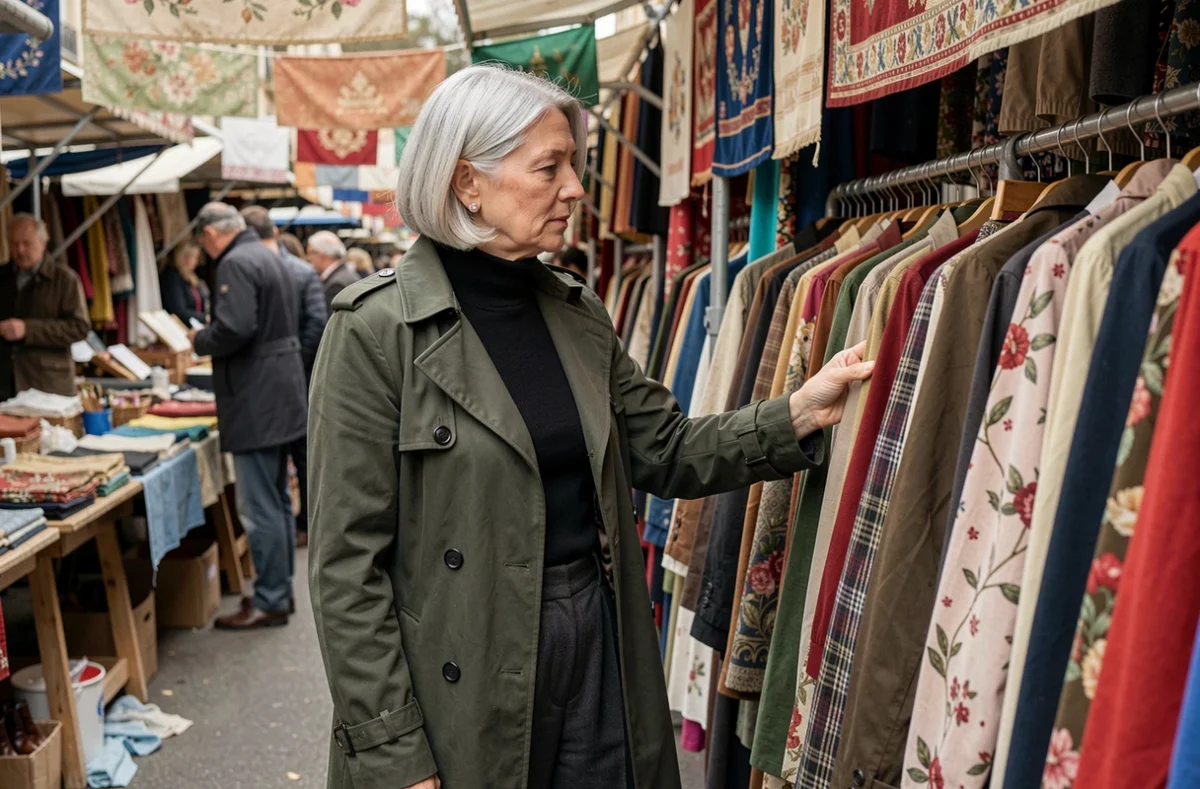
The color palette plays a structuring role. Black, navy, beige, and off-white form the base of most French looks recognized as elegant. Bright colors are used as accents, never as the dominant shade.
The choice of cut takes precedence over current trends. A straight or slightly fitted cut transcends fashions without appearing dated. Very oversized or very fitted cuts, on the other hand, fall into short cycles and visually age faster.
Ultra-fast fashion and ecological penalties: the anti-model of French style
French law provides for a gradual increase in penalties applied to textile products resulting from overproduction. This system directly targets the practices of ultra-fast fashion, characterized by extremely rapid collection rotations and very low prices.
For consumers seeking a sustainable style, this regulatory framework confirms an underlying trend. Buying fewer, better-made pieces is cheaper in the long run than renewing a wardrobe every season with disposable clothing.
The available data does not yet allow for measuring the exact impact of the penalties on selling prices in France. However, the message sent to brands is clear: companies that focus on the quality of materials and transparency of their production chain are better positioned in light of this regulatory evolution.
Tips for an elegant and traceable wardrobe
French elegance is not just a list of clothes to own. It relies on the ability to evaluate what one buys:
- Favor pieces whose textile composition exceeds the majority of natural or recycled fibers with a sufficiently dense weight.
- Always check the place of manufacture, keeping in mind that the label “Made in France” covers the last stage of production, not necessarily the entire chain.
- Care for garments according to label instructions to extend their lifespan (washing at low temperatures, air drying).
Chic French style is built over time. The clothing codes remain stable (sober colors, clean cuts, quality materials), but purchasing criteria evolve with regulations. An elegant wardrobe in 2026 will incorporate traceability as a parameter as concrete as cut or price.