
Fashion, much more than just a matter of trends and styles, represents a faithful mirror of social changes. Over the ages, clothing and accessories have conveyed powerful messages, reflecting liberation movements, cultural revolutions, and shifts in mindsets. From the constricting corsets of the 19th century to today’s unisex jeans, each era has seen its attire influenced by economic, political, and cultural dynamics. Fashion is thus a silent yet eloquent witness to human history, reflecting the aspirations, struggles, and progress of society.
Fashion as a Mirror of Social Changes
Fashion can be analyzed as a reflection of the evolutions of society. It crystallizes the values and aspirations of an era, testifying to the rise of personal identity and social convictions. Dressing is no longer simply a matter of aesthetics but becomes the expression of a culture, a group, or an individual. The rise of feminist movements, for example, has seen the emergence of unisex fashion, marking a step towards gender equality.
The relationship between fashion and society is evident in the adoption of certain clothing items as symbols of rebellion or affirmation. Jean-Louis Garret, an expert in fashion sociology, emphasizes that ‘the miniskirt was a banner of the sexual revolution while punk used leather and safety pins as markers of political and cultural protest.’ These clothing elements are not mere aesthetic choices but powerful communication tools, conveying clear messages about the beliefs of those who wear them.
The influence of fashion on society transcends clothing; it modifies behaviors and interactions. Social media has propelled digital influencers to the rank of major change agents in the industry. Their choices of clothing and accessories inspired by personalities like Coco Chanel or Karl Lagerfeld shape trends and, in turn, impact the social perception of what is acceptable or desirable.
Technology has enabled the development of innovative clothing, paving the way for the expression of an ethical fashion concerned with the environment. In response to the excesses of fast fashion, a counter-movement of slow fashion is emerging, embodying ecological awareness and reflection on the globalization of fashion. This awareness reflects a society in search of meaning and responsibility, where the choice of a garment becomes a militant act.
Clothing Revolutions and Their Impact on Social Norms
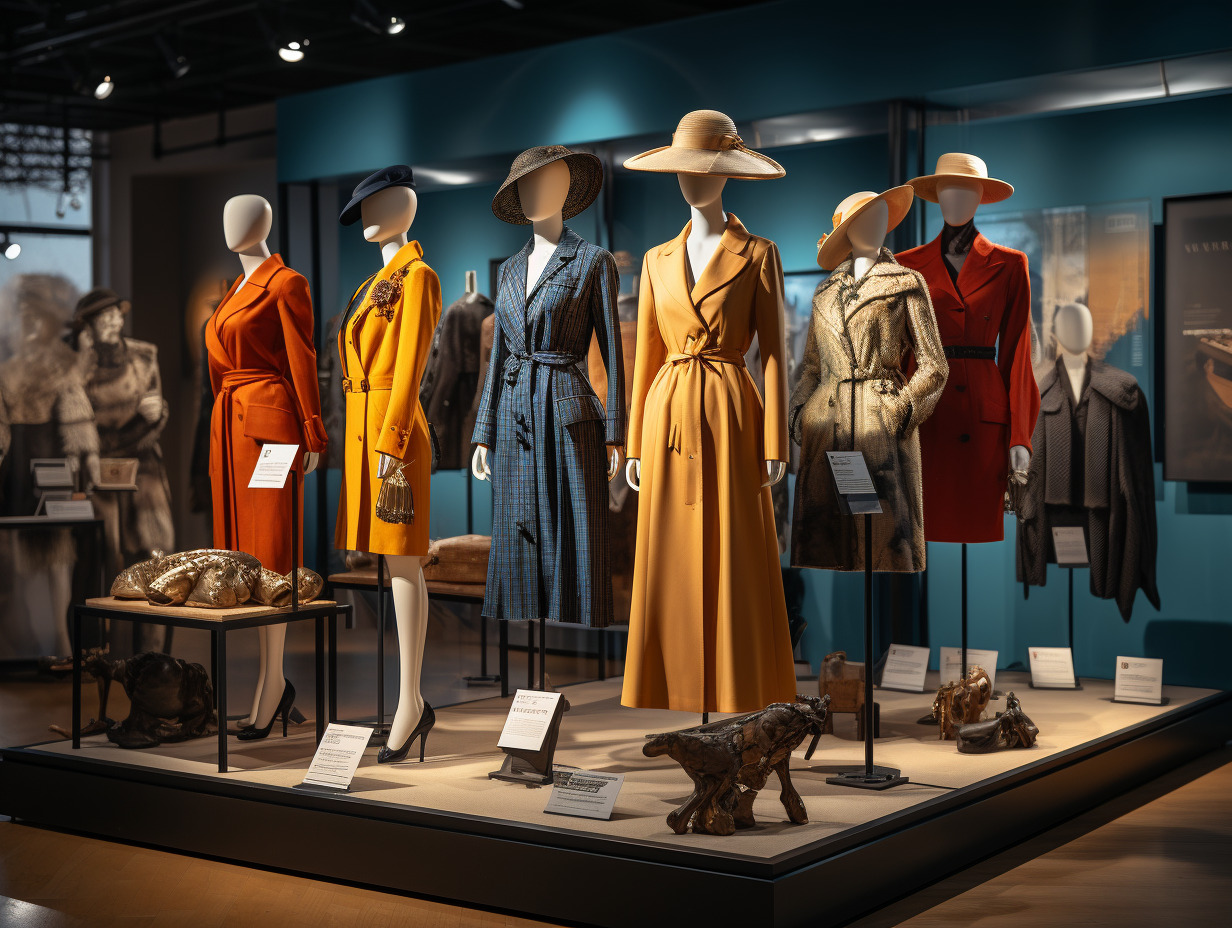
Fashion, over the ages, has often been the stage for significant clothing revolutions, each carrying the seed of profound social change. Think of Coco Chanel, who, by liberating women from suffocating corsets, not only changed the female silhouette but also contributed to women’s emancipation, breaking the codes and conventions of a then-rigid social status. The miniskirt, in the 1960s, became the symbol of a youth claiming its freedom and right to self-determination, coinciding with the movement for women’s voting rights.
The impact of unisex fashion reflects another facet of social evolution: the questioning of gender stereotypes. Born in the wake of feminist movements, this trend resonated in the fashion world, where designers like Yves Saint Laurent presented androgynous pieces, blending traditionally masculine and feminine elements. These garments encouraged greater freedom of expression, in line with the struggles for civil rights such as same-sex marriage.
Technology has also played a crucial role in the creation of innovative clothing. It has pushed creative boundaries while also integrating environmental concerns into the design process. Ethical fashion thus emerges as a response to the issues of fast fashion, which generates harmful overconsumption for the environment. Brands committed to sustainable fashion are part of a desire to promote environmentally friendly practices, reflecting a society increasingly aware of ecological challenges.
Digital influencers and social media have revolutionized the way trends spread. They allow for rapid and global dissemination of new items, as well as direct interaction with consumers. Fashion thus becomes a democratized phenomenon, where everyone can express their individuality and actively participate in redefining social norms. The globalization of fashion, through these digital platforms, illustrates the growing interconnection between culture, economy, and society in the realm of fashion.