Transforming a room doesn’t mean replacing everything. Simply repositioning a piece of furniture, painting one wall or adding a secondhand find can change how a space feels. The ten ideas below focus on targeted updates, with particular attention to the durability of the pieces you bring into your home and the environmental information now required on certain furniture products in France.
1. Open-frame furniture to make a living room feel lighter without renovations
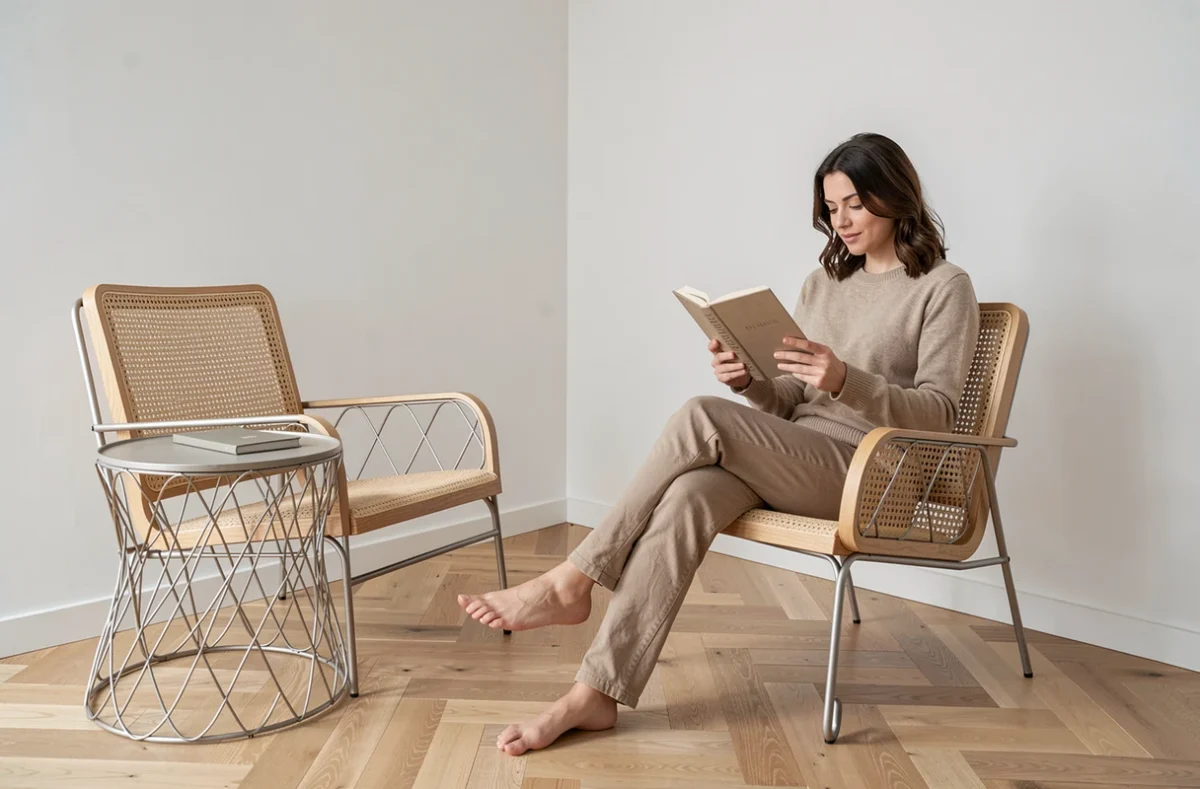
Replacing a closed sideboard with an open-frame piece (a wire-metal shelf, a rattan console or an open bookcase) changes the way the eye moves through a room. Light passes through the furniture instead of hitting a solid mass, making the living room feel larger without moving a wall.
Decorators are moving away from traditional dining-room sideboards in favor of open storage that displays tableware and decorative objects. One open-frame piece of furniture is enough to change how dense a space feels. Before buying, check the product information: French regulations require environmental information for furniture, including details about its durability and repairability.
2. A deep paint color on a single wall
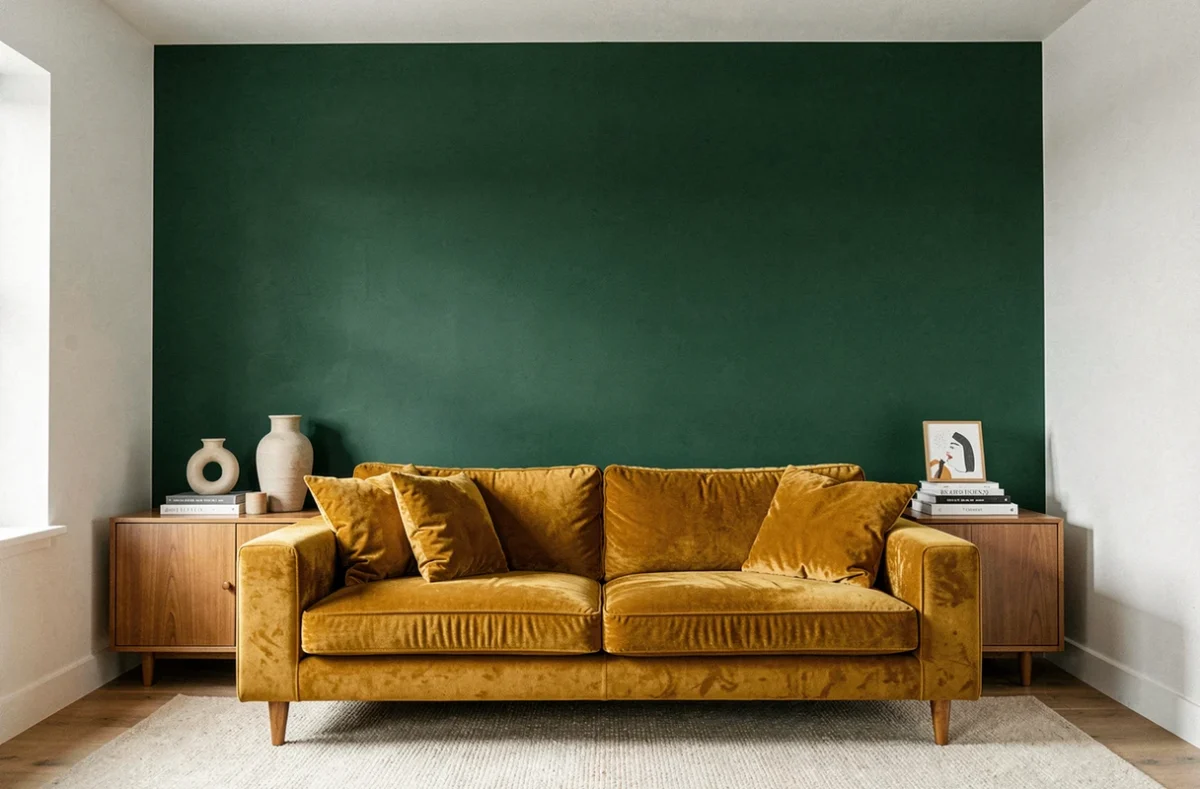
Neutral shades are taking a back seat. Design publications and several industry professionals are reporting a strong return to deep, enveloping colors: midnight blue, forest green and rich terracotta. One wall is all it takes. Keep the rest of the room light to avoid a cave-like effect.
We recommend testing a sample directly on the wall you plan to paint, rather than on a piece of white cardboard. The room’s natural light can dramatically change how the color looks. A sample pot costs just a few euros and can save you from buying several liters of the wrong shade. For more practical inspiration, explore Maison Mania’s decorating ideas.
3. A secondhand find as the room’s focal point
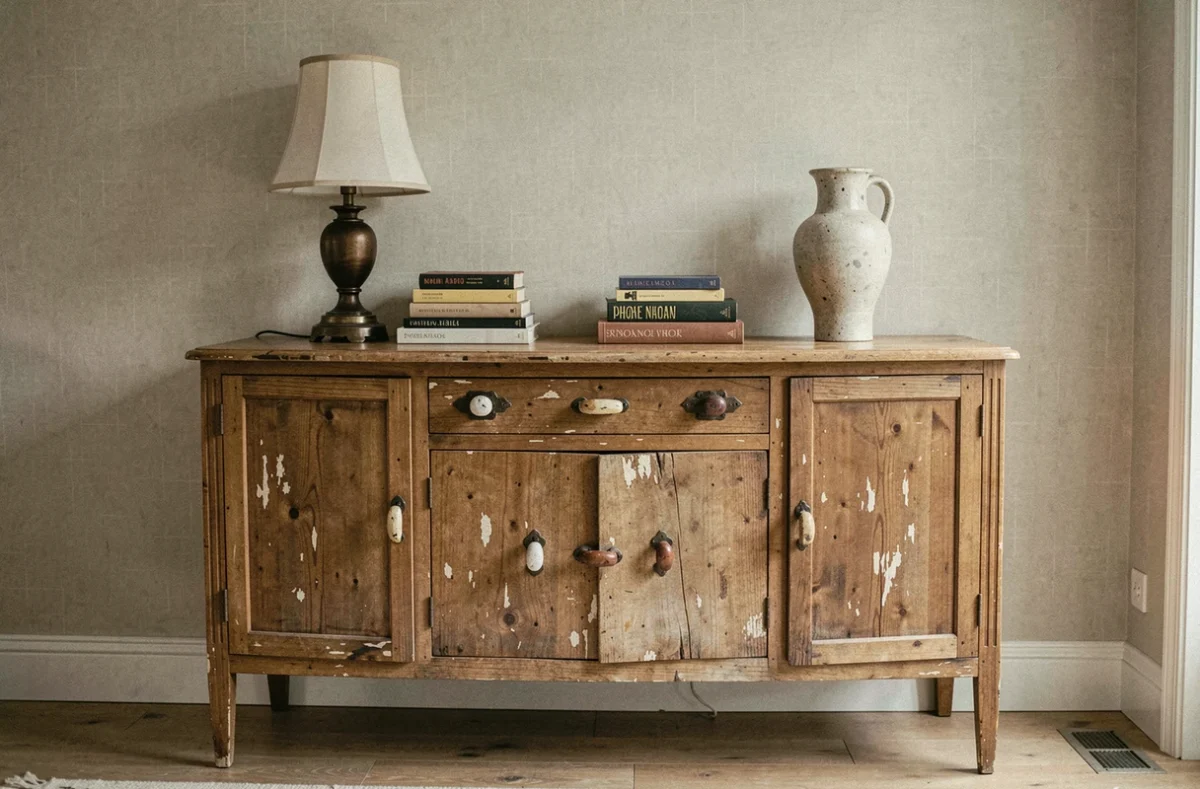
Buying secondhand is no longer just a budget-friendly fallback. It has become a decorating choice in its own right, driven by a rapidly growing market in France. A vintage piece of furniture brings a patina and individuality that no catalog can replicate.
The idea of a one-of-a-kind piece comes up often: a 1960s chest of drawers in a contemporary entryway, or a club chair in a minimalist office. A secondhand piece creates a stylistic contrast that brand-new furniture can’t.
4. Sculptural lighting instead of a central ceiling light
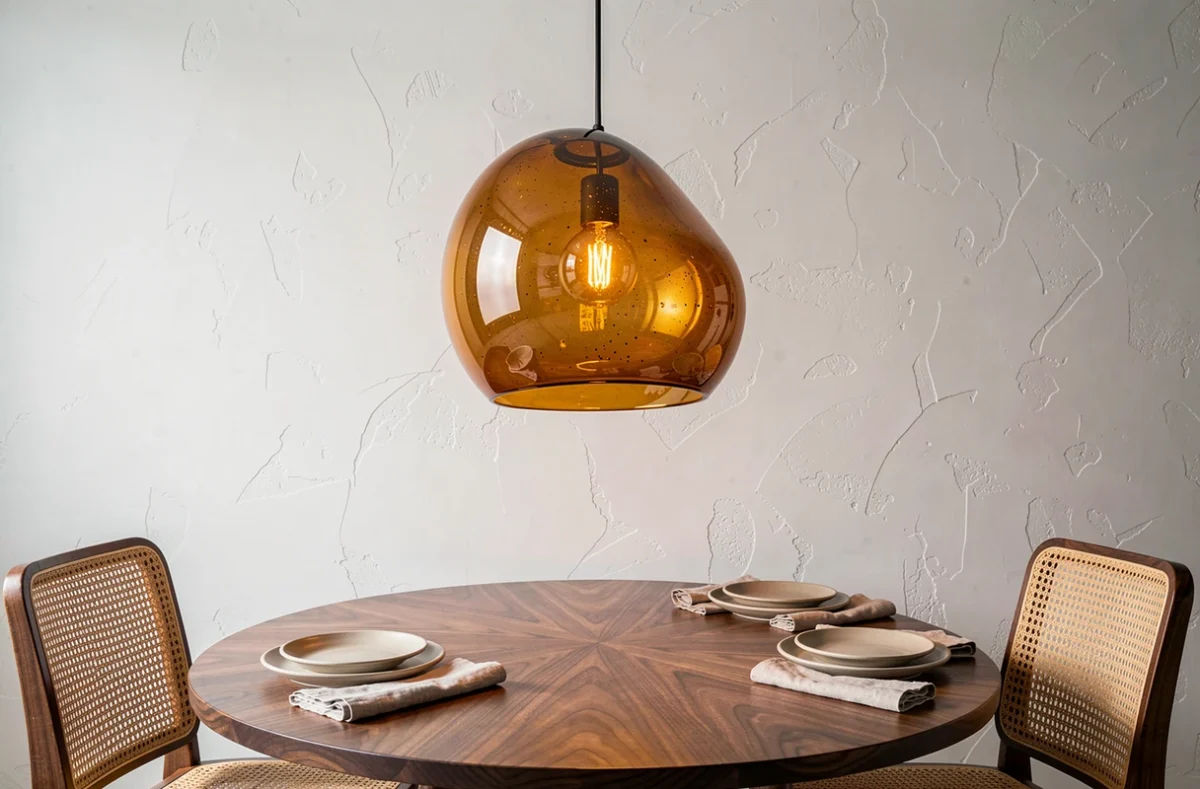
A central ceiling light casts flat, even light. Instead, add several lower light sources: an arc floor lamp, a sculptural table lamp and a directional wall sconce. Three light sources at different heights create a sense of depth that a ceiling light alone never can.
Choose warm-color-temperature bulbs (around 2700 K) for living spaces. Lighting does more to change the atmosphere of a living room than any cushion.
5. Tactile textiles to warm up a neutral interior
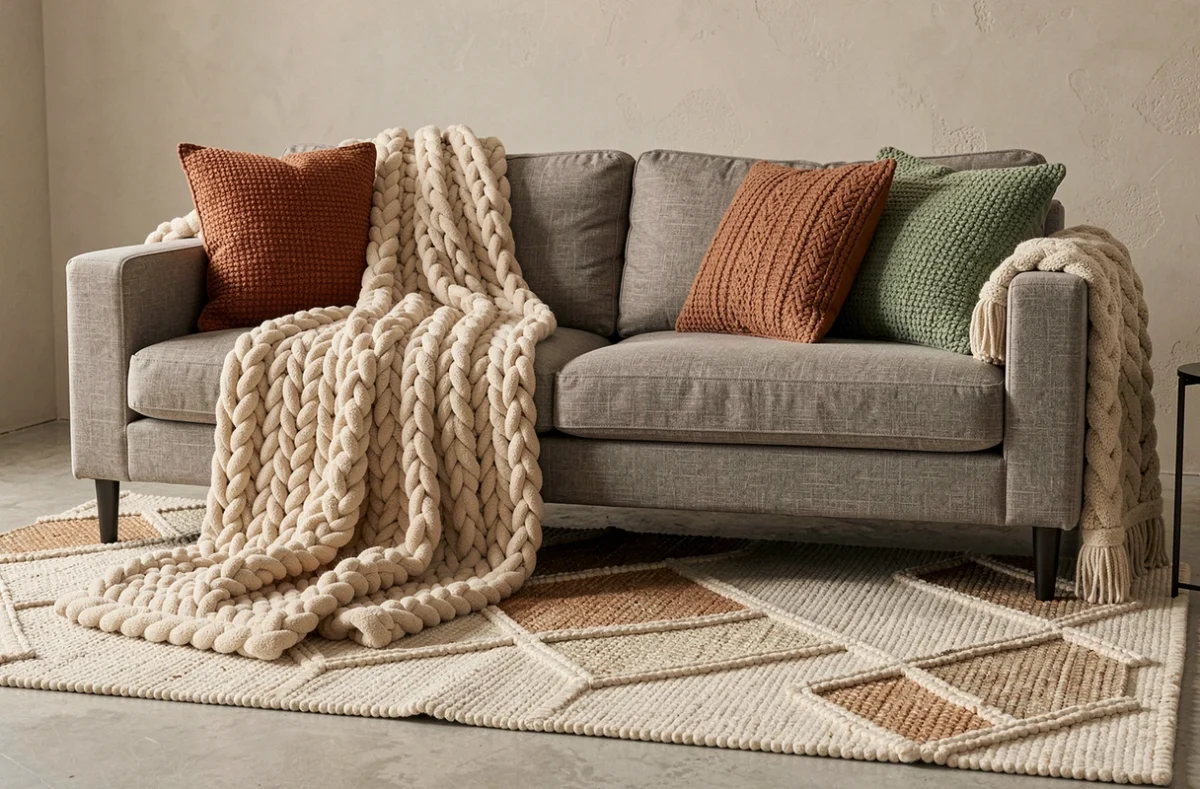
Tactile materials are gaining ground over smooth surfaces. Crinkled linen, bouclé wool, corduroy: the feel of a textile influences a room’s atmosphere as much as the color of its walls. On a neutral sofa, a chunky wool throw and two linen cushions are enough to break up the monotony.
Check the fabric composition on the label. A mostly synthetic fabric pills quickly and loses its appearance within a few months. Densely woven linen or cotton ages better and is a more durable choice.
6. An asymmetrical gallery wall to add structure to a hallway
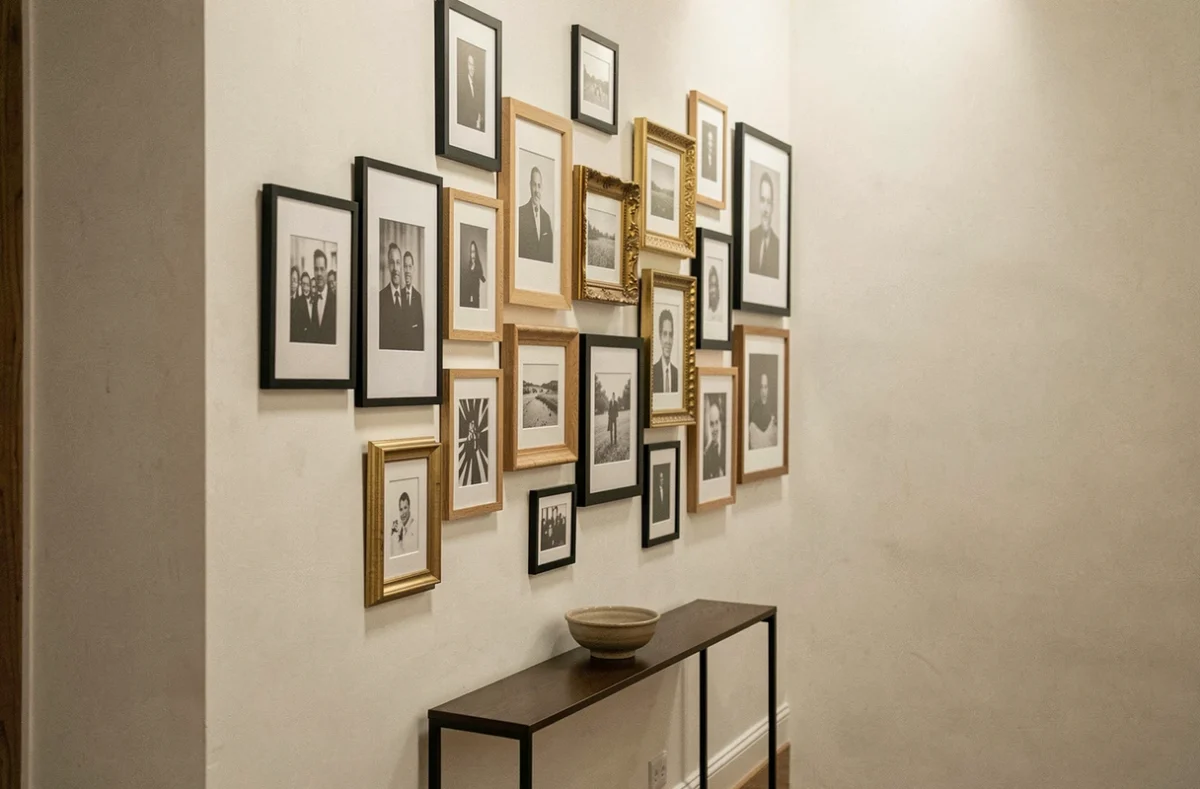
A gallery wall works best when it avoids perfect symmetry. Mix three frame sizes, two finishes (raw wood and black metal, for example) and a single color palette for the artwork. The result feels lively without looking chaotic.
Hanging tip: cut out the frame sizes from kraft paper, attach them to the wall with removable tape and adjust the layout before drilling. This avoids unnecessary holes and lets you try several arrangements in just a few minutes.
7. Dark wood to ground a room that feels too airy
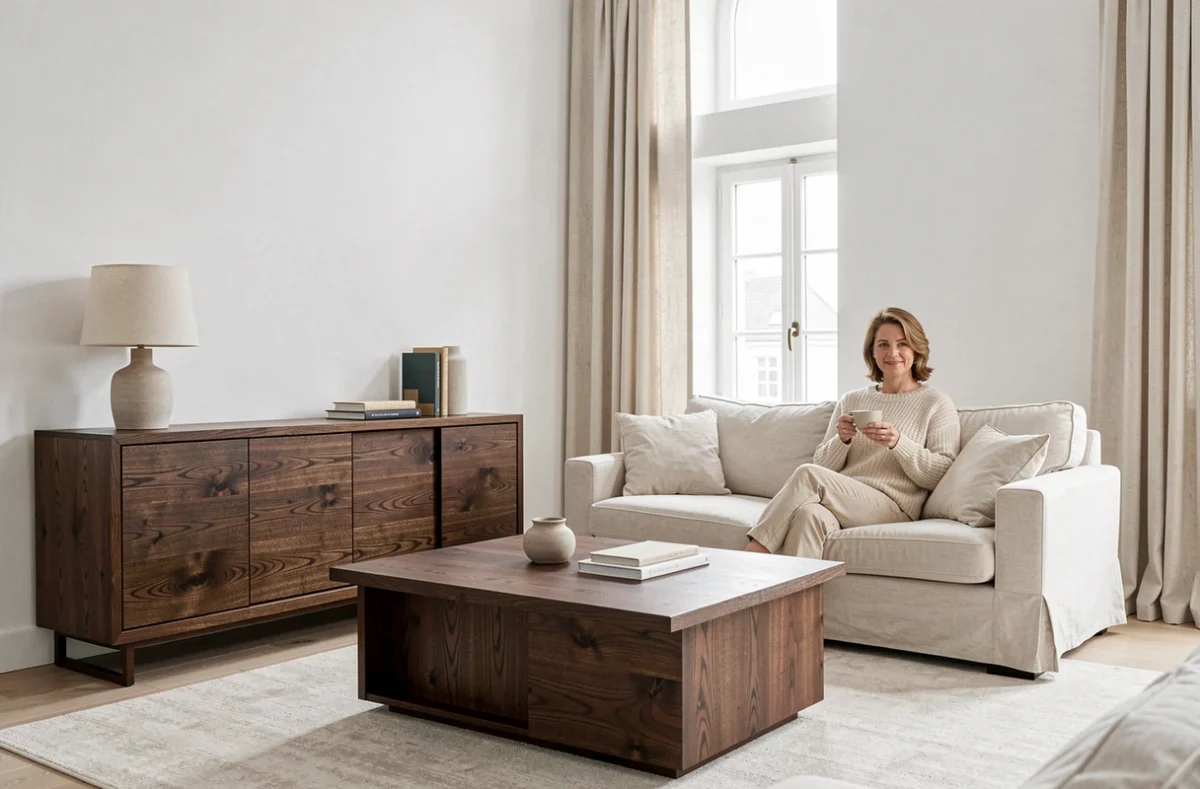
Light wood dominated interior design for years. Recent trends point to a return of dark woods such as walnut and smoked oak, which add visual weight to rooms that feel too white or too bright.
A solid walnut tabletop in a dining room with light-colored walls creates an immediate sense of grounding. It costs more than a laminate top, but it can last for decades rather than years.
8. An oversized floor mirror to double the light
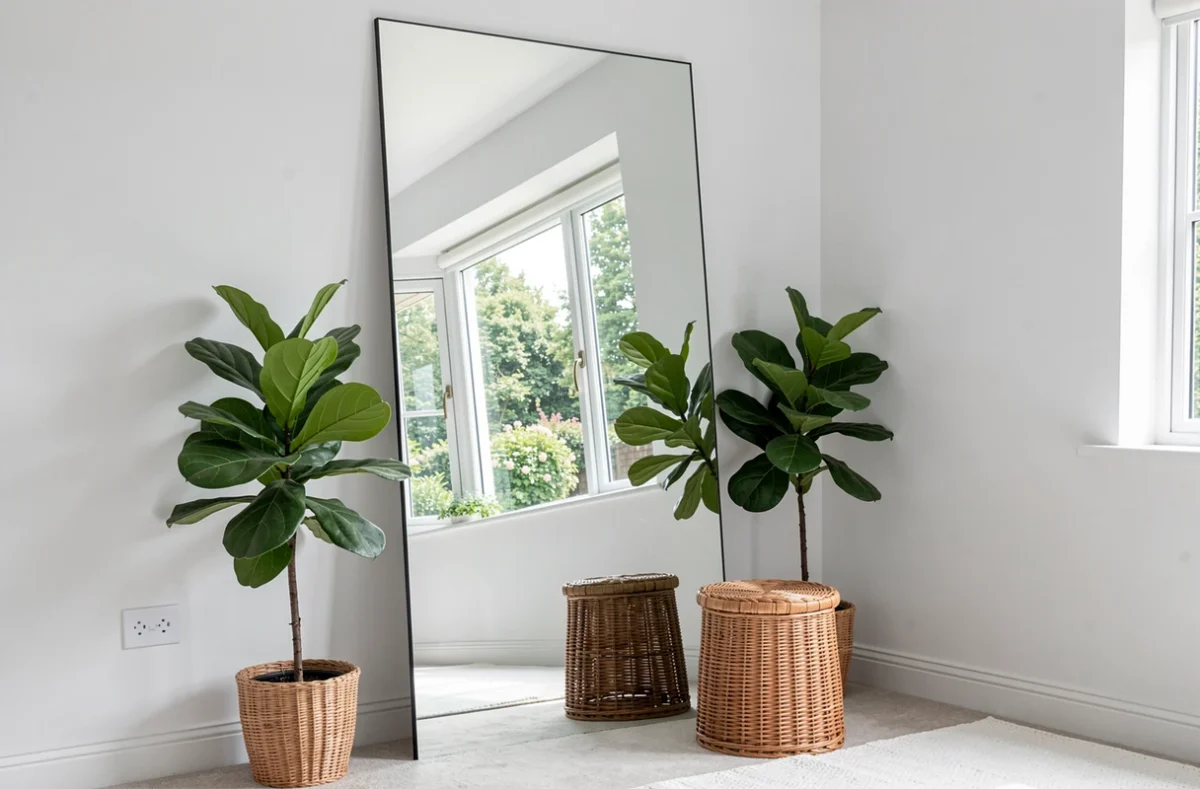
A large mirror leaning against a wall reflects natural light and creates a sense of depth. In a room smaller than fifteen square meters, the effect is immediate. Place it opposite a window or perpendicular to the main light source.
Flea markets and resale platforms are full of antique mirrors with molded frames. Cleaning the frame and giving it a light sanding, if needed, is all it takes to make one work in a contemporary interior.
9. A carefully curated cluster of houseplants
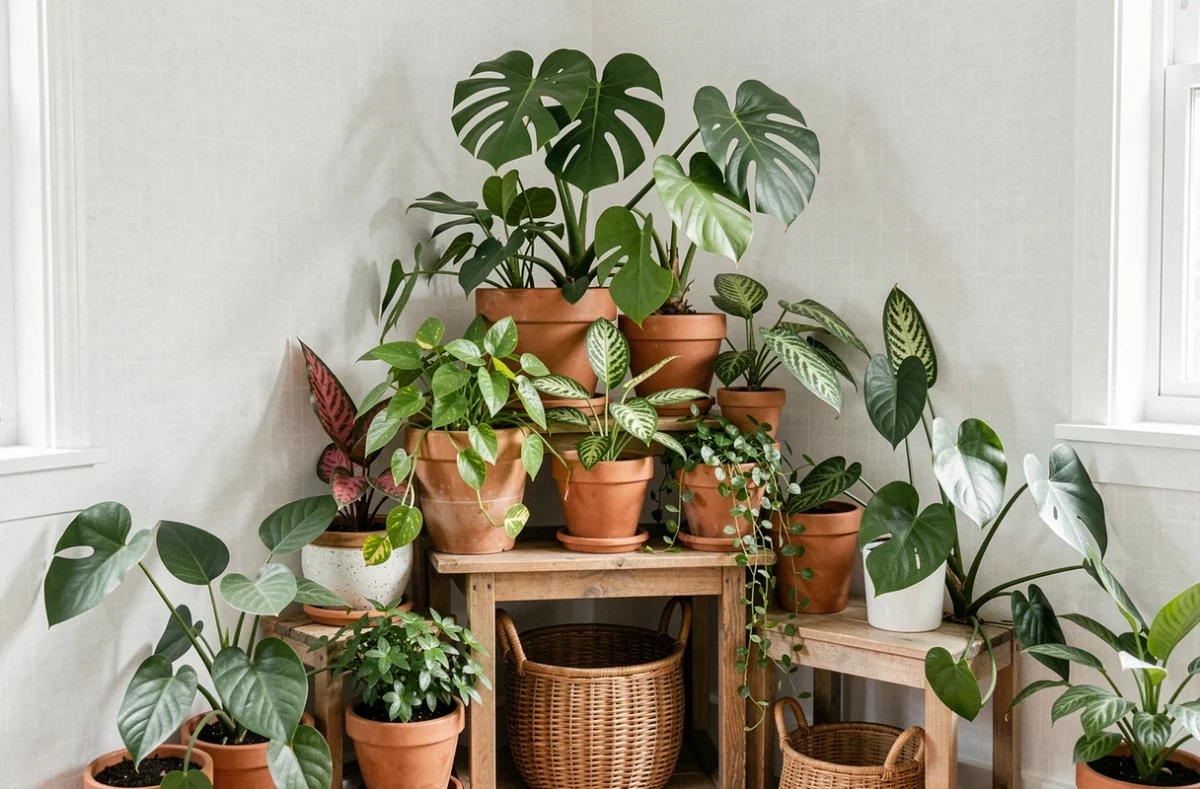
A single plant can go unnoticed. Group three to five plants on the same surface (a shelf, plant stand or windowsill) to create an eye-catching indoor garden. Vary the heights and leaf textures.
- Trailing plants (pothos, ivy) for high shelves, where their cascading growth adds volume
- Architectural plants (snake plants, rubber plants) to anchor the arrangement at eye level
- Small pots of culinary herbs in the kitchen, combining decoration with everyday use
10. Creative reuse: turning an everyday object into decor
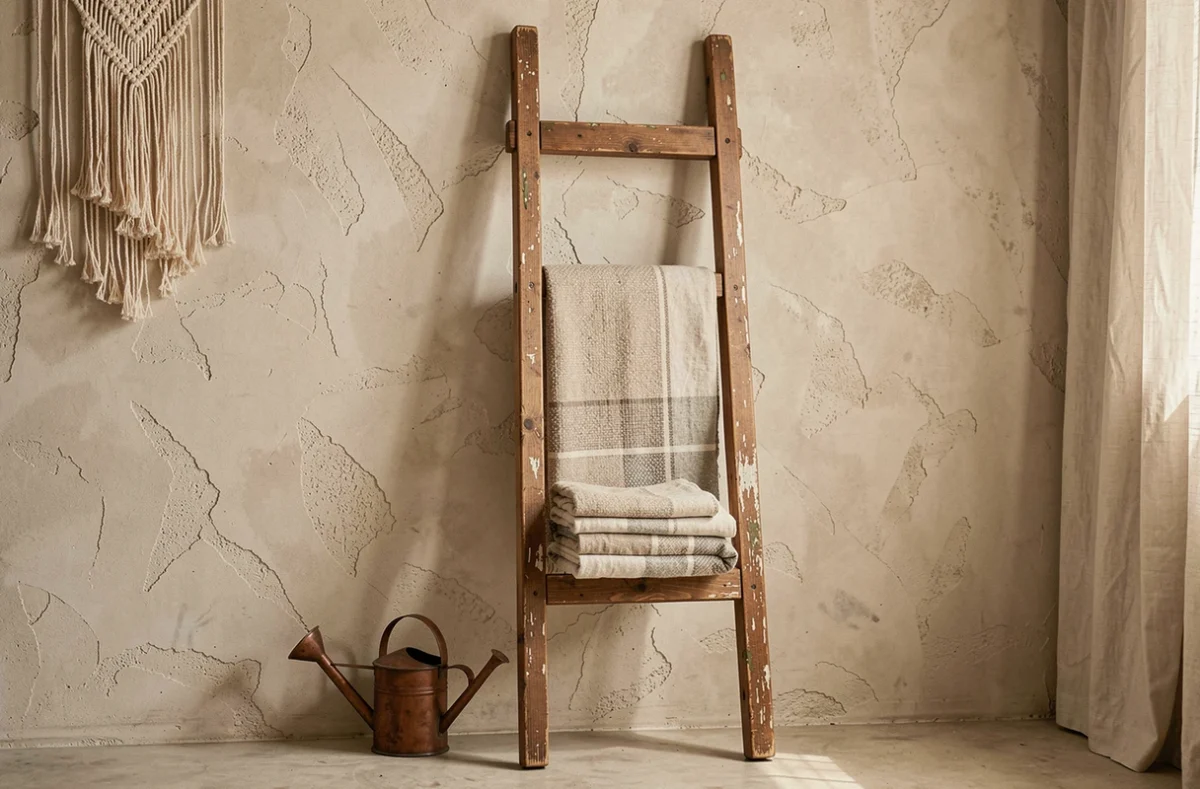
A painter’s ladder can become a towel rack in the bathroom. An upturned wooden crate can serve as a bedside table. Creative reuse turns a practical object into a decorative piece without buying anything new.
This kind of update requires very little technical skill. A light sanding, a coat of matte varnish or wax, and the object will fit into almost any style. Reuse is one of the most direct ways to reduce the environmental impact of an interior design project while creating a result no one else has.