A relaxing garden is about more than choosing furniture or plants. Local regulations (drought orders, stormwater zoning, lighting rules) shape the design well before the first spade hits the ground. Ignoring these factors risks creating a garden that is unsuited to the actual climate and local requirements.
Garden water management: drought orders and on-site infiltration
Before planting anything, check your municipality’s drought orders. These may restrict watering private gardens to certain hours or even ban it temporarily. Designing a garden that needs daily watering in an area subject to recurring restrictions is a recipe for its decline.
The technical solution has two parts. First, choose plants suited to local water shortages that can withstand several weeks without watering. Second, manage rainwater directly on your property instead of letting it run off into the drainage network.
A landscaped swale or rain garden captures runoff and encourages water to infiltrate the soil. Before starting this work, check your municipality’s stormwater zoning and local urban plan (PLU), which govern stormwater management on private properties. Some local authorities set a maximum discharge rate, while others prohibit direct discharge into the drainage network.
By entrusting your garden design to Le Jardinier Décorateur, these drainage constraints are factored in from the design stage, avoiding costly rework later.
- Check your prefecture’s website for current drought orders before choosing your plants.
- Consult the stormwater zoning information at your town hall’s planning department to find out what on-site infiltration requirements apply.
- Choose permeable surfaces (stabilized gravel, paving with grass joints) rather than fully concreted patios, which increase runoff.
Ornamental ponds and mosquito prevention: balancing both goals
An ornamental water feature adds a sensory dimension to the garden. It can also attract mosquitoes, including the tiger mosquito, which lays its eggs in just a few centimeters of standing water. The ARS recommends removing or covering small containers where water can collect, including rainwater tanks, and regularly checking gutters and outdoor equipment.
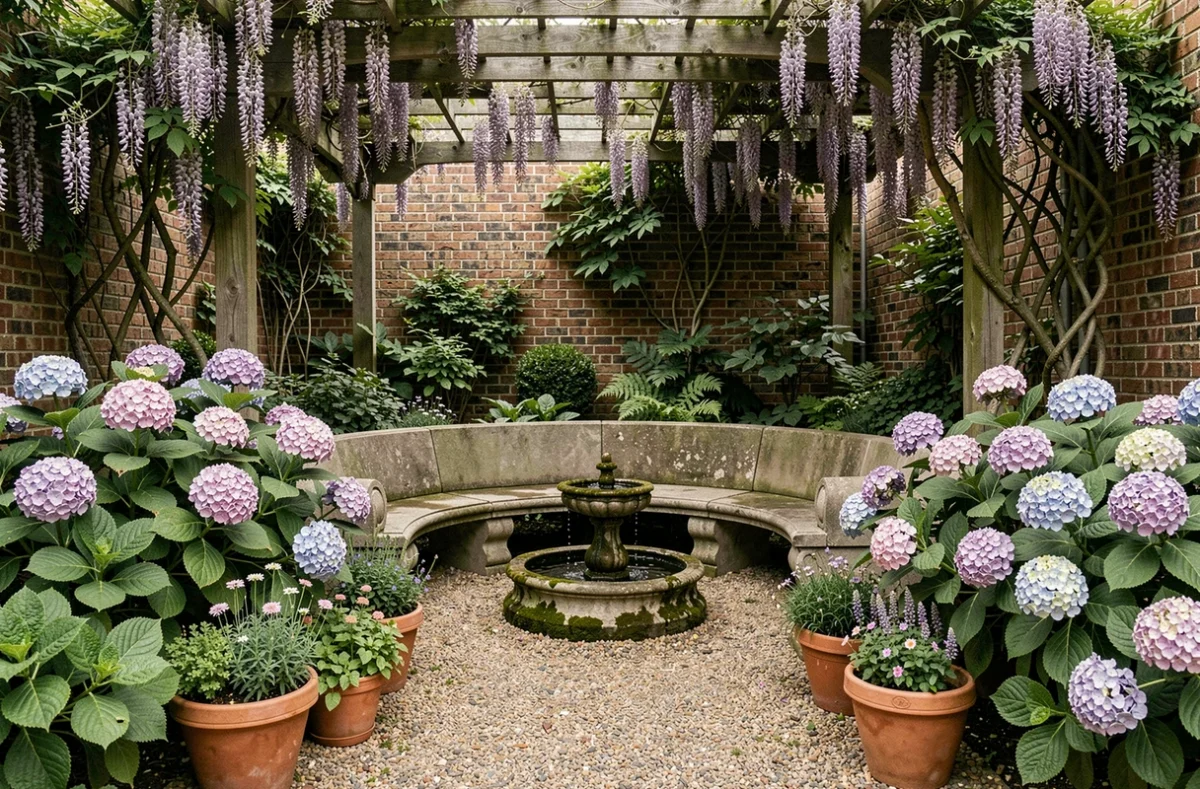
A poorly maintained pond can become a mosquito breeding site within days. The design should include a circulation or filtration system from the outset to prevent stagnant water. A low-flow pump is enough to disrupt the breeding cycle.
Don’t confuse these artificial breeding sites with natural wetlands. An ecological pond with aquatic plants and predators (dragonflies, amphibians) is much more self-regulating than a forgotten saucer under a flowerpot. The distinction is technical, not aesthetic.
Practical points to watch
Empty plant saucers after every rainfall. Cover water tanks with fine-mesh mosquito netting. If you install an ornamental pond, make sure it is easy to clean and budget for annual pump maintenance.
Garden lighting at night: protect wildlife without compromising safety
Permanent outdoor lighting disrupts nocturnal wildlife, including pollinating insects, bats and migratory birds. A garden bathed in light loses some of what makes it a living space.
The basic rule: light only the areas that are actually used and direct beams toward the ground. Motion sensors and timers can limit how long lights stay on without compromising safe movement around the garden.
Hedges, mature trees and insect shelters should remain in darkness. This dark zone is not a design flaw; it is a practical choice that supports nocturnal biodiversity and reduces disturbance to neighbors.
Local regulations on outdoor lighting
There is no single switch-off time that applies to every private garden. Requirements vary by municipality and by subdivision or condominium rules. We recommend checking with your town hall and reviewing the applicable planning documents before installing permanent lighting. A non-compliant installation may result in a formal notice to comply.
Choosing materials and zones: creating a lasting, peaceful space
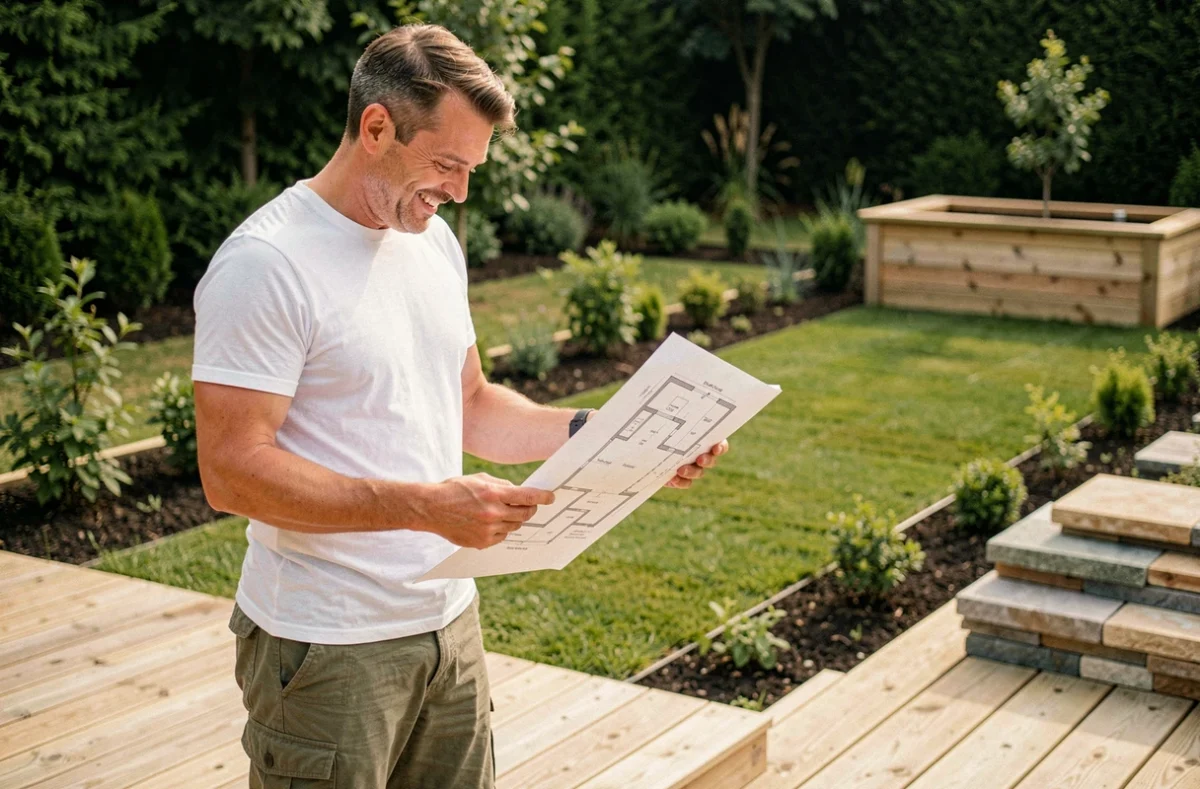
A relaxing garden needs a clear layout. In most settings, three zones are enough: a living area (patio, dining space), a densely planted area (flower beds, hedges, vegetable garden) and a buffer zone left semi-wild for wildlife.
Materials affect maintenance as much as appearance. Untreated wood turns gray within two seasons and needs regular upkeep. Composite decking is more durable but gets hotter in direct sunlight. Stabilized gravel is permeable and inexpensive, but unsuitable for heavily used paths for strollers or wheelchairs.
| Material | Permeability | Maintenance | Thermal comfort |
|---|---|---|---|
| Natural wood | Moderate | High (annual oil or wood treatment) | Good (does not heat up) |
| Composite | None | Low | Moderate (heats up in the sun) |
| Stabilized gravel | Excellent | Low | Good |
| Concrete slab | None | Very low | Poor (retains heat) |
Choosing impermeable surfaces directly affects the stormwater management discussed above. Every additional square meter of concrete increases the volume of runoff that must be managed on the property.
Drought-resistant plants: creating a self-sufficient garden
A peaceful haven that withers during the first dry summer is no haven at all. Choose plants based on the actual rainfall in your area, not the conditions listed on the nursery label.
- Ornamental grasses (fescues, feather grasses) tolerate long periods without watering and add movement to the garden.
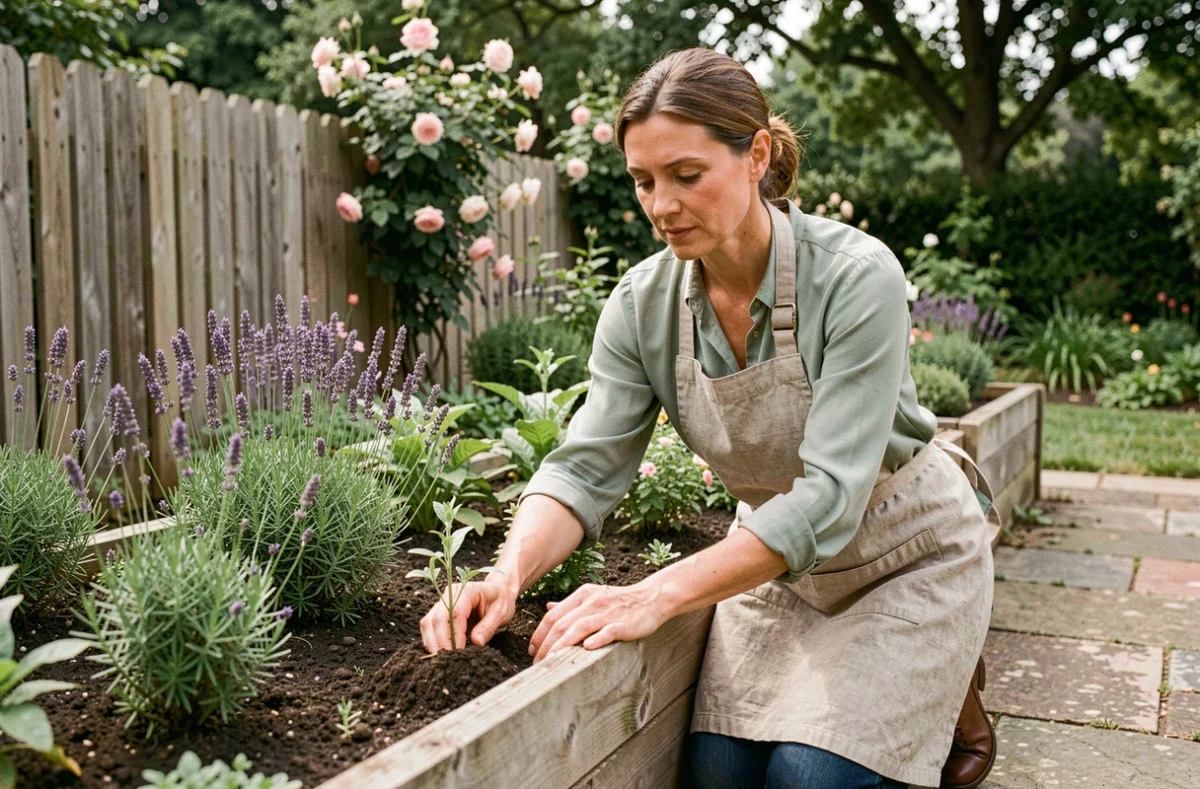
- Mediterranean shrubs (lavender, rockrose, rosemary) thrive well beyond the Mediterranean region, provided they have well-drained soil.
- Evergreen ground covers (wild thyme, sedum) are an excellent alternative to a traditional lawn in areas with little foot traffic.
A garden made up of more than half low-water plants stays green even when watering restrictions are in place. A thick layer of organic mulch completes the setup by reducing soil evaporation.
Creating a relaxing garden is about making practical choices, not decorative compromises. Water restrictions, mosquito prevention and wildlife-friendly lighting: when these constraints are considered from the design stage, they result in a space that works over the long term without constant corrective interventions.