The market for French camping chains is now segmented along three axes: geographical coverage, pricing policy during peak season, and environmental commitments. We have selected five brands that stand out due to clear positioning choices, prioritizing in-depth analysis of each network rather than a superficial overview of ten interchangeable brands.
1. Yelloh Village: the high-end option with European coverage
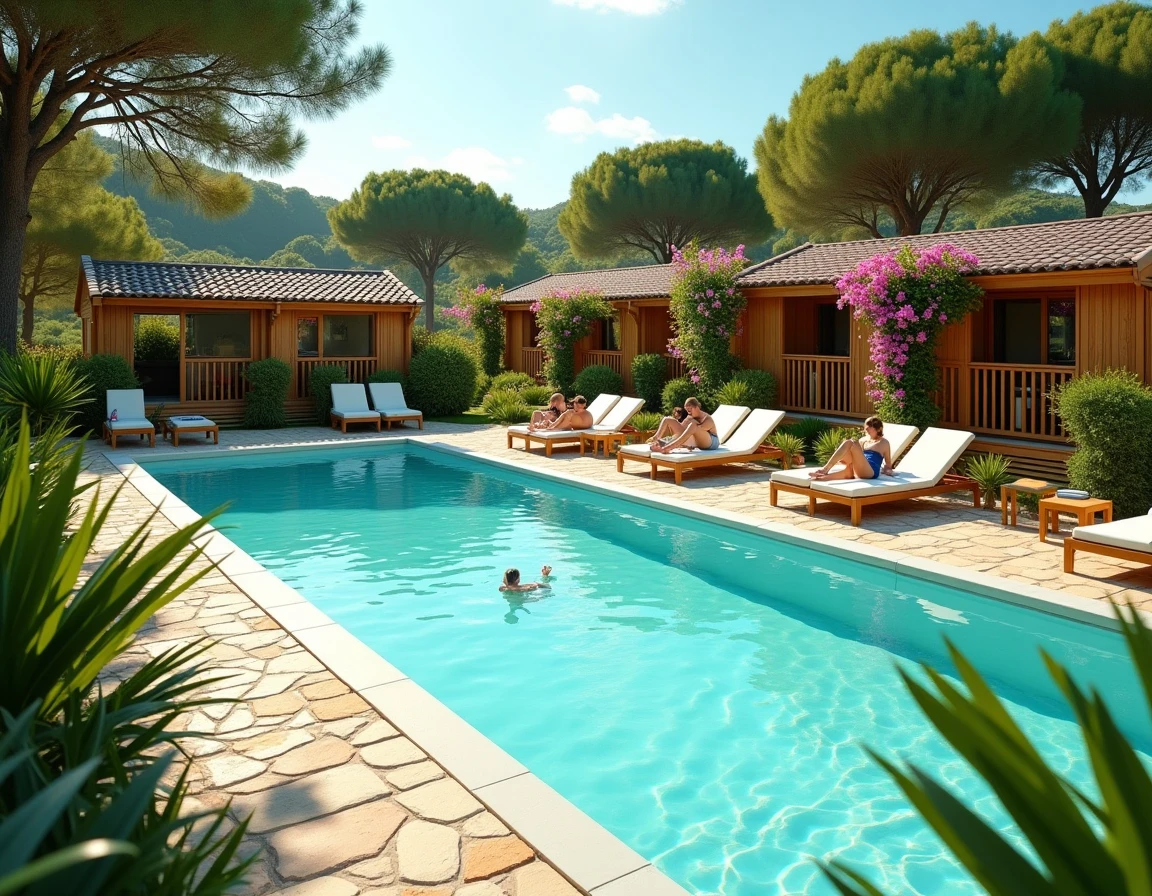
Yelloh Village focuses its catalog on 4 and 5-star campsites with a consistency of quality rarely found lacking from one site to another. This is the chain where the quality gap between the best and the least good establishment remains the smallest.
The network extends beyond France, with locations in Spain, Portugal, and Croatia. For a vacationer planning a road trip across several countries, this European coverage avoids juggling between different booking platforms. However, availability during peak season remains tight in the coastal destinations of southern France.
In terms of pricing, we observe a clearly assumed premium positioning. A week in a mobile home for four people in July is significantly above the market average. The extra cost is justified by well-maintained water complexes and rigorous upkeep of green spaces, but it effectively excludes tight budgets.
2. Flower Campings: value for money at human-sized sites
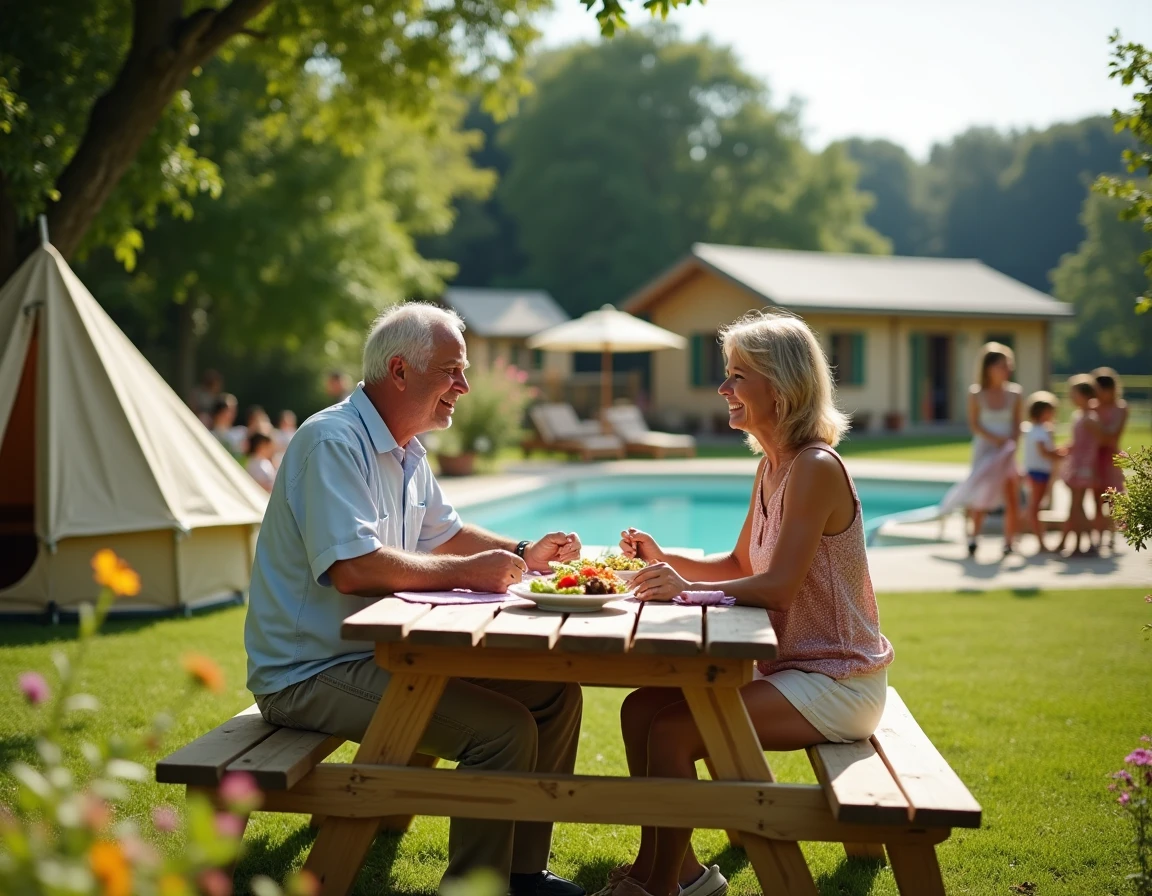
Flower Campings takes a stand against gigantism. The majority of the network’s establishments have fewer than two hundred pitches, which radically changes the atmosphere compared to larger structures. We recommend this brand to families looking for tranquility without sacrificing basic amenities (pool, playground, snack bar).
The choice among camping chains in France often depends on the balance between friendliness and anonymity. Flower clearly positions itself on the former, with managers often being owners, involved in the welcome and life of the campsite.
The pricing remains accessible even in peak season, making it one of the few chains where booking in June or July does not double the bill compared to May. The trade-off: the entertainment remains modest, and children’s clubs do not compete with those of premium networks.
3. Huttopia: the reference brand for nature camping
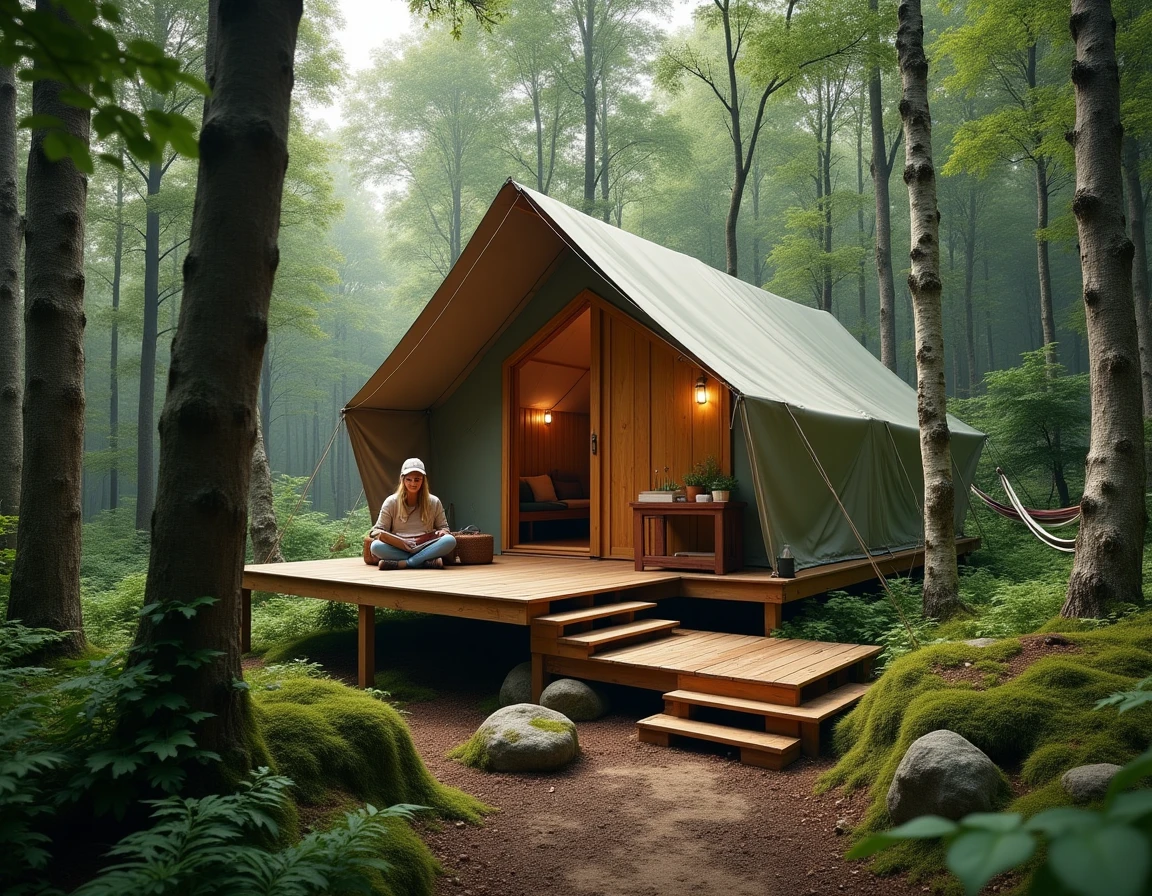
Huttopia has structured its offer around a nature positioning that goes beyond marketing discourse. The eco-design of accommodations and the reduction of water/energy footprint are part of the specifications imposed on each site. The stilt tents, canvas and wood cabins, and the absence of traditional mobile homes at certain sites reflect a commitment to landscape integration.
The brand appeals to an audience that accepts more rustic comfort in exchange for a real immersion in forest or lakeside environments. Families with young children will find free play areas and supervised outdoor activities (hiking, canoeing), but no water park with slides.
A notable limitation: the network remains very France-centered, with a few openings in Canada but no presence elsewhere in Europe. For a multi-destination stay, this is not the right choice.
4. Sunêlia: the premium segment with water complexes
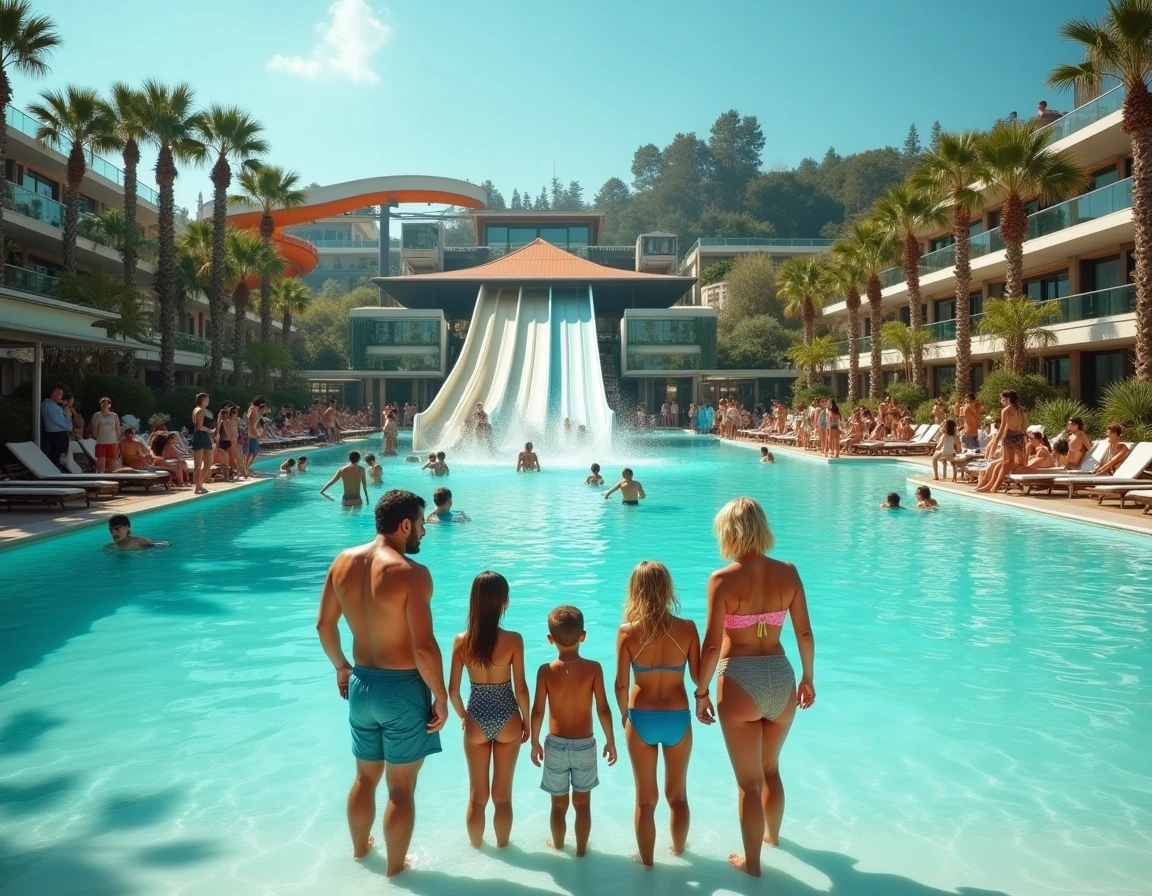
Sunêlia occupies a niche similar to Yelloh Village in terms of quality but differentiates itself by emphasizing large-scale aquatic facilities. Most campsites in the network offer spaces with multiple pools, slides, and heated paddling pools.
The geographical coverage spans the main tourist areas of France, with a marked concentration in the southeast and southwest. Beachfront or immediately coastal pitches are common.
- Strengths: consistent quality of mobile home accommodations, structured activities for children from age 4, and on-site dining at most locations
- Weaknesses: high peak season pricing, little flexibility on short stays (minimum one week in July-August at many sites)
- Target audience: families with school-age children who want an “all-inclusive” stay without leaving the campsite
5. Campings Paradis: the mainstream alternative with national coverage
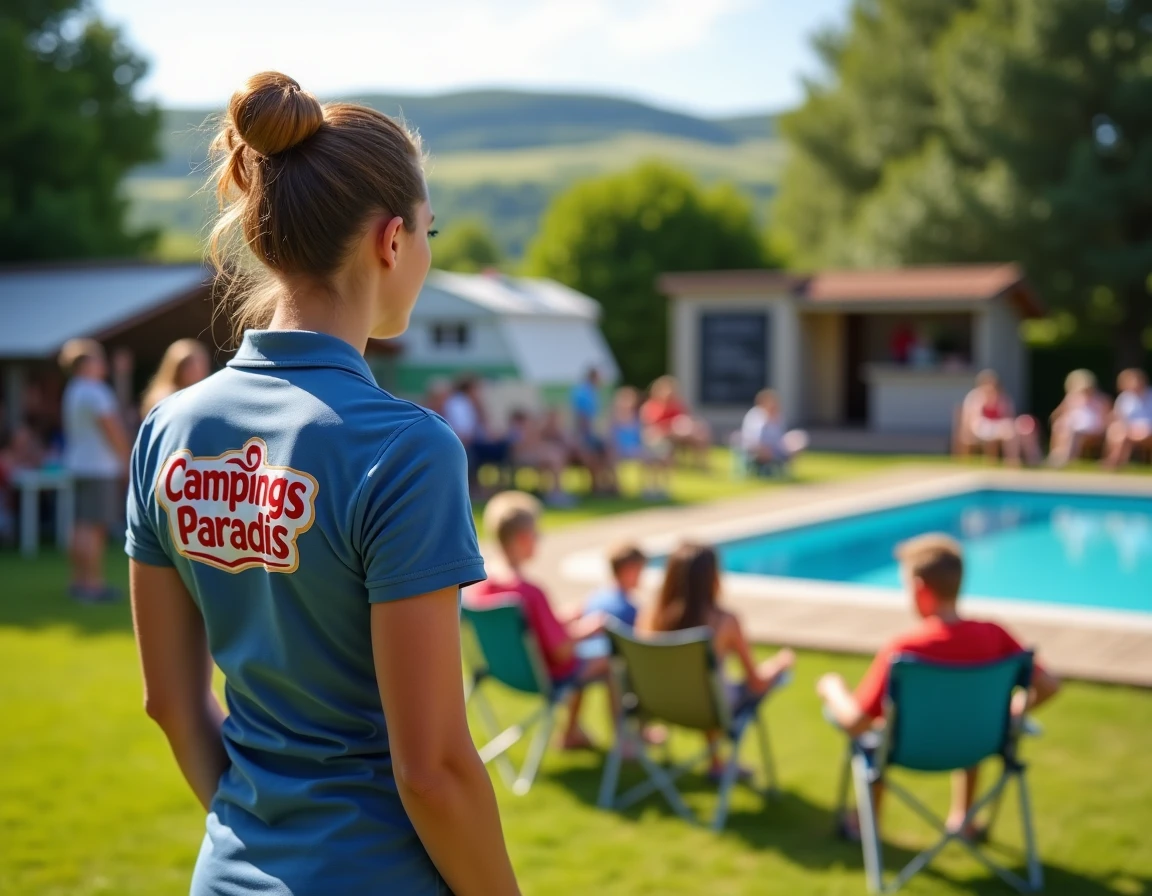
Campings Paradis relies on the density of its network to guarantee an offer in almost all French regions. This is the chain that covers the most departments, simplifying the search for vacationers targeting a specific destination rather than a brand.
The pricing positioning aims to be accessible, with establishments rated from 3 to 5 stars. However, this range generates a more pronounced heterogeneity of quality than competitors. A 3-star Paradis campsite in the hinterland has little in common with a 5-star coastal site from the same network.
We recommend checking recent reviews site by site rather than relying on the overall reputation of the brand. The brand unites independent establishments under a common charter, but the level of investment in facilities varies greatly from one manager to another.
The choice among these five networks hinges on three concrete considerations: available budget during peak season, need for a water complex, and sensitivity to the size of the campsite. A human-sized campsite like Flower does not deliver the same experience as a Sunêlia with several hundred pitches, and neither is wrong. Check actual availability for your dates before comparing displayed prices: in July-August, the calendar often dictates the final choice.